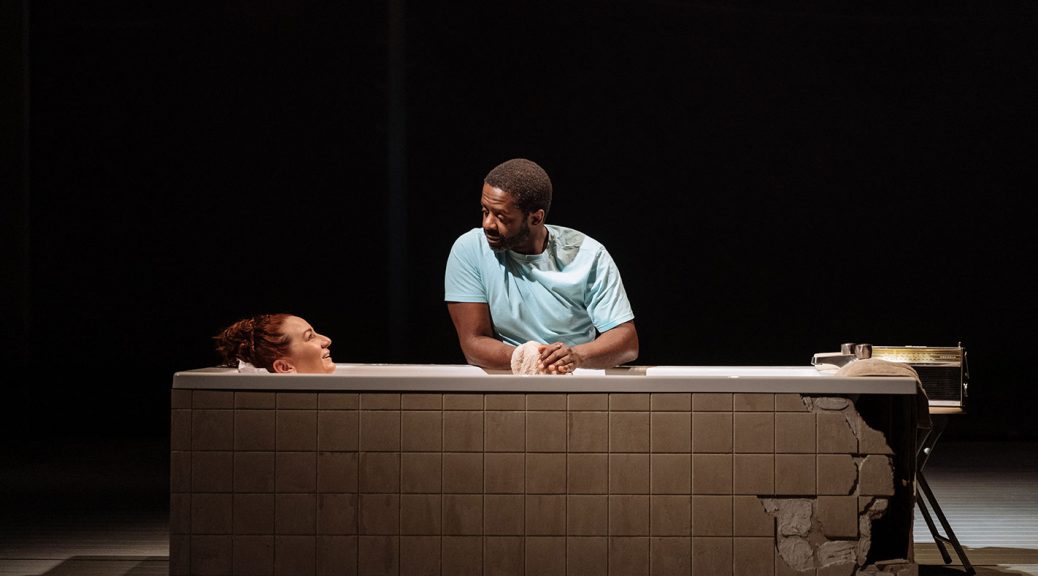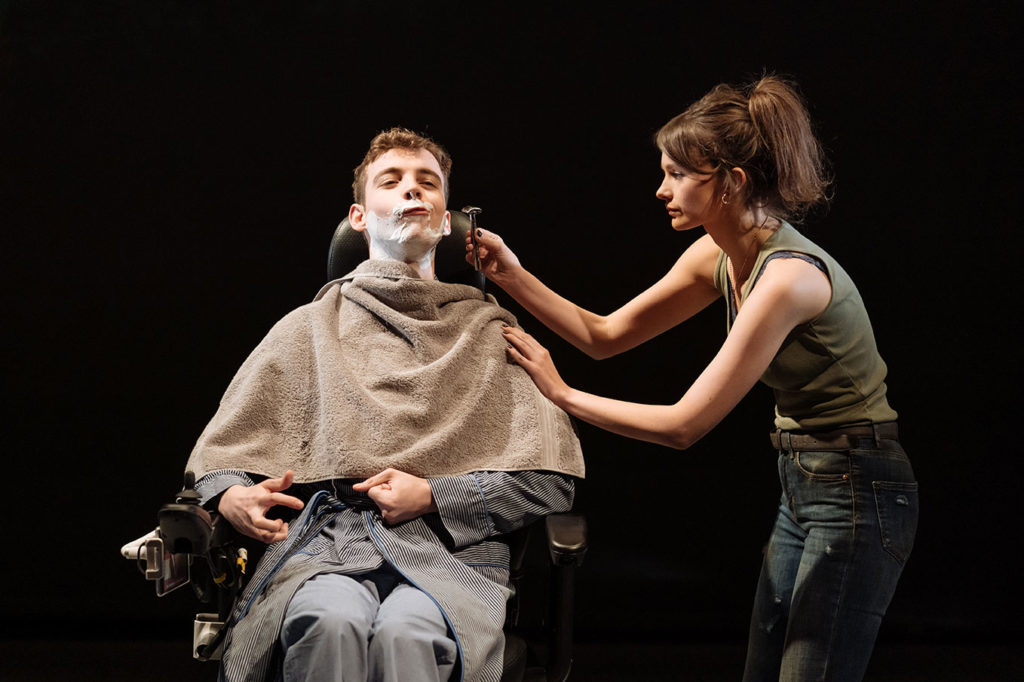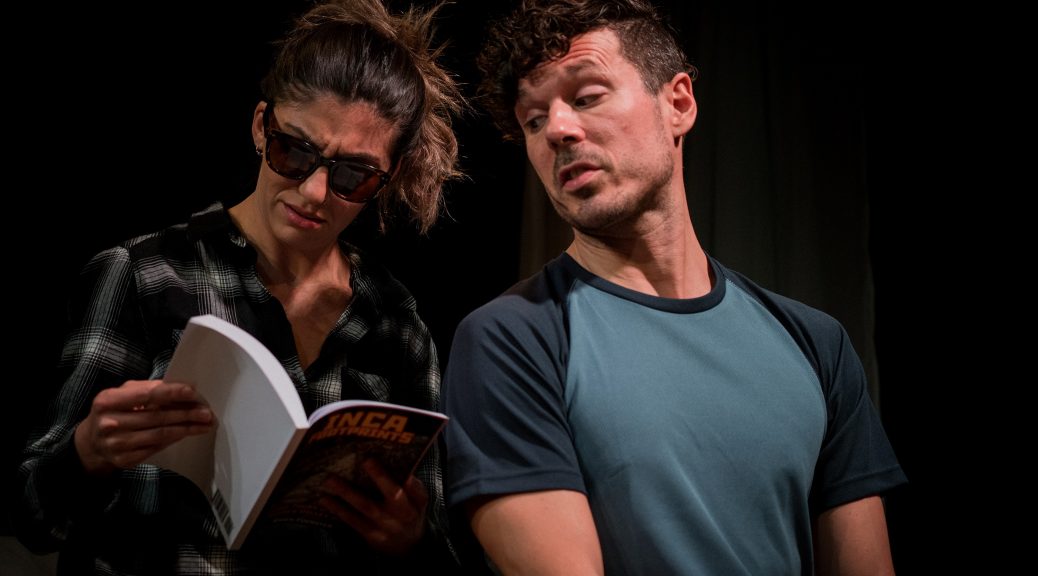
“Tobacco Road” at the Pleasance Theatre

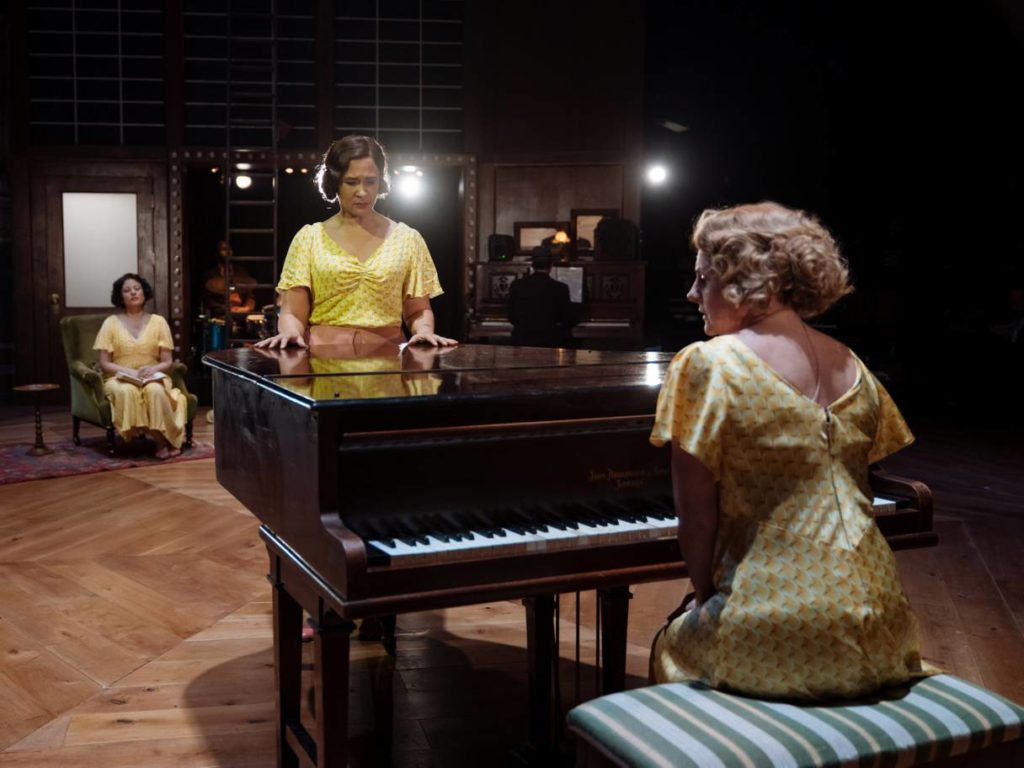
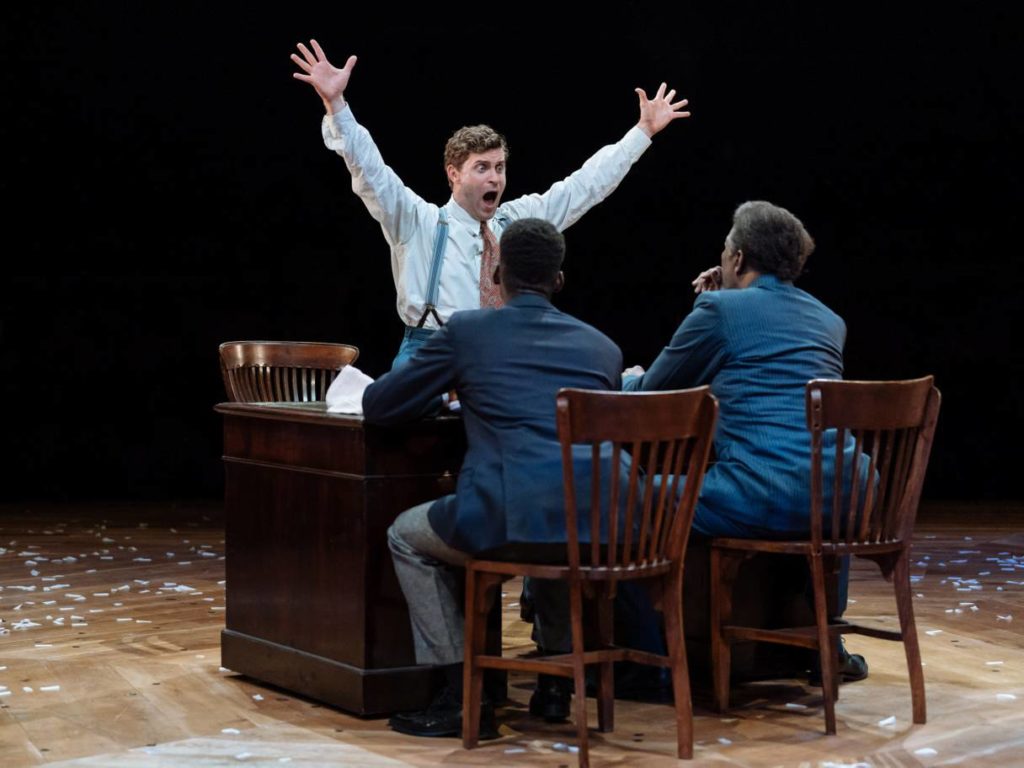
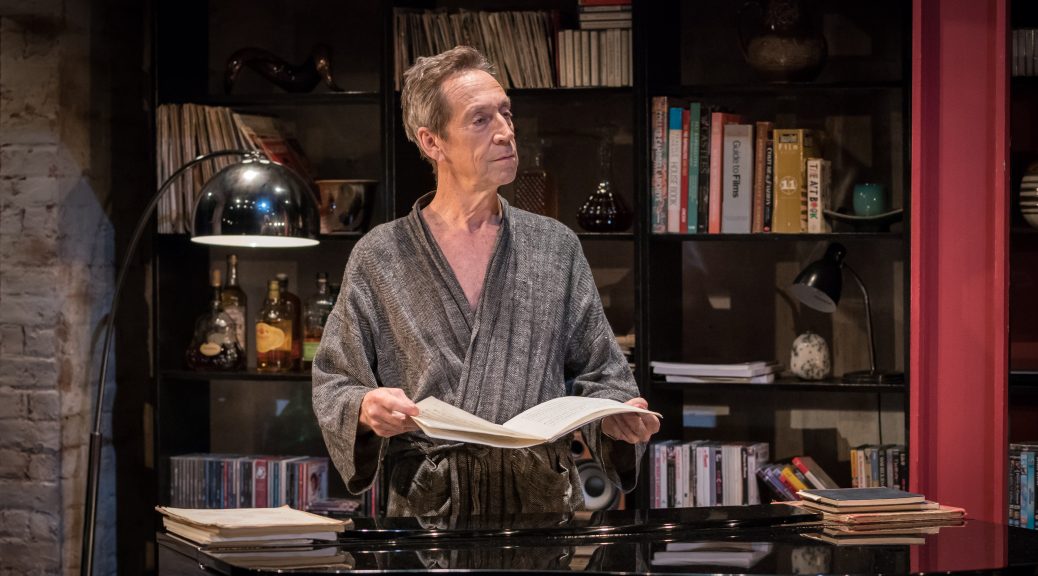
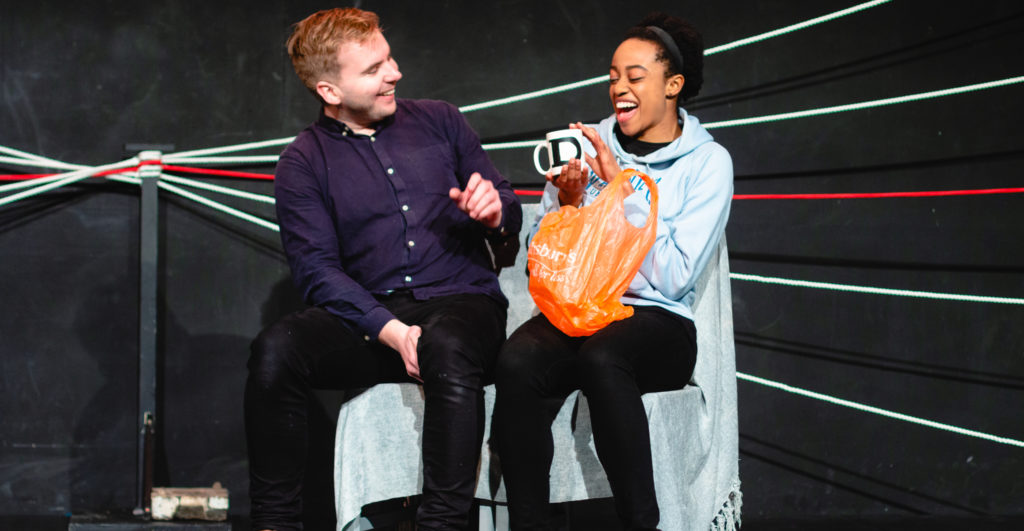
Part of the Caledonian Express season that brings highlights of the Edinburgh Festival to London, Incognito Theatre’s tale of London gangs in the 1920s is hugely entertaining.

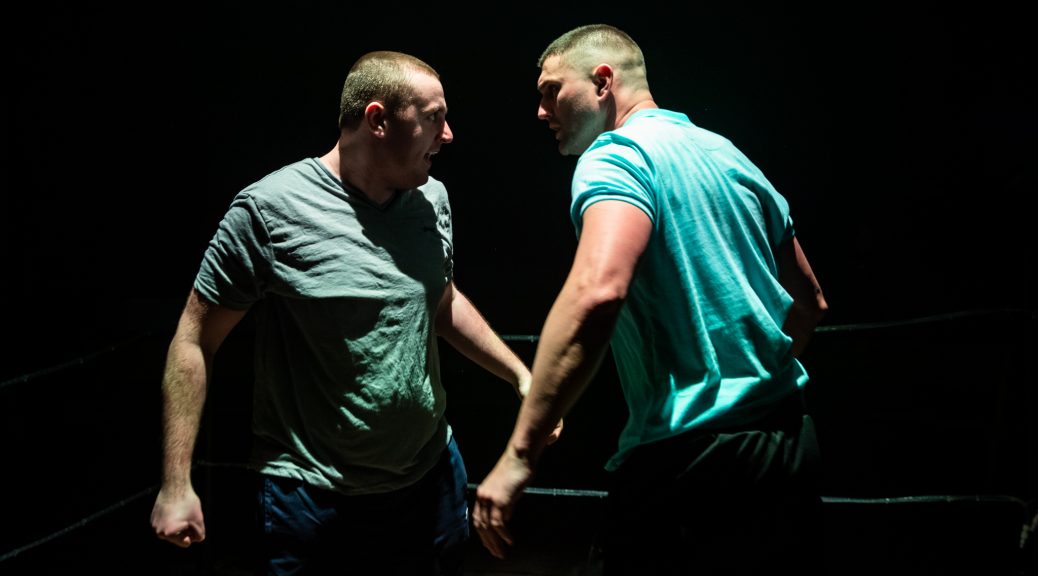
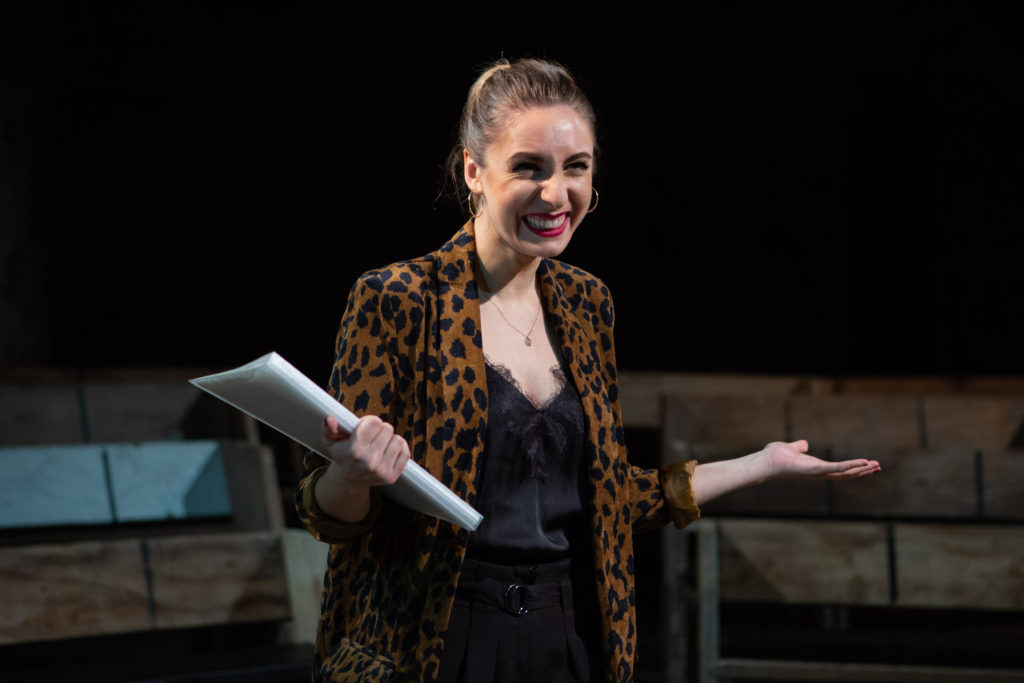
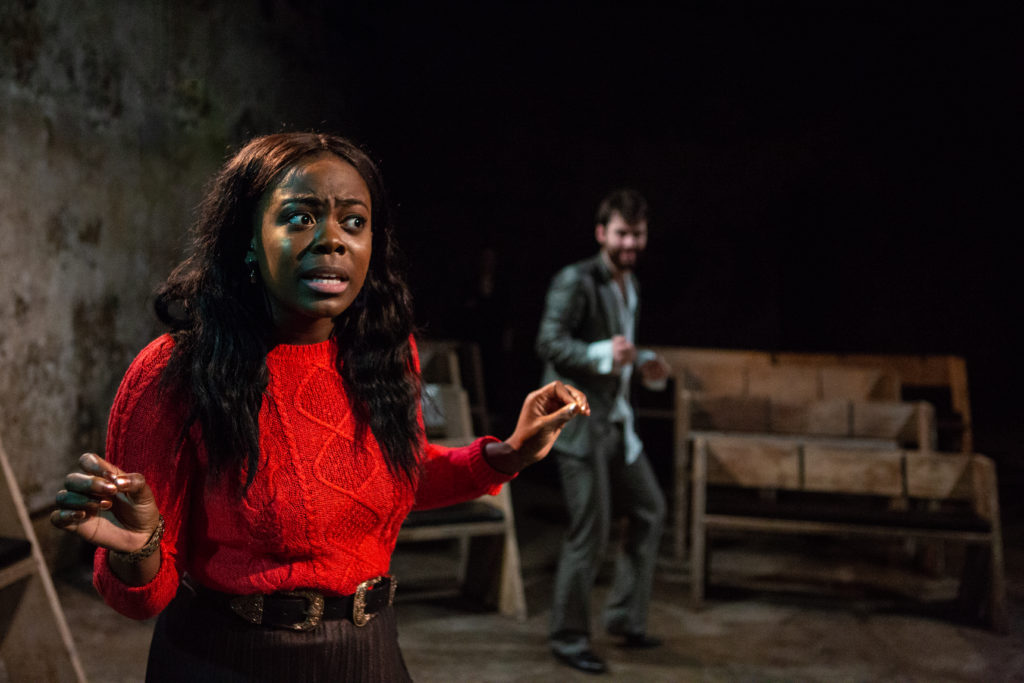
It’s a story of self-proclaimed “scum” in South London rising up the ladder of the criminal underworld. The piece is devised by the company and careful preparation has resulted in characters all successfully delineated. There’s a touch of the committee about the plot, which is sometimes predictable, but it is always engaging. The biggest twist is to include two women, Freda and Elsie, admirably performed by Atlanta Hayward and Jennie Eggleton, whose reputation for violence is never questioned. Joining forces with a trio of friends, Alfie and Tommy, driven by the ambitious Felix, they make a formidable five. In the male roles, Angus Castle-Doughty, Alex Maxwell and George John work exceptionally well together. An interesting undercurrent between them all is the aftermath of the First World War, ripe for further exploration.

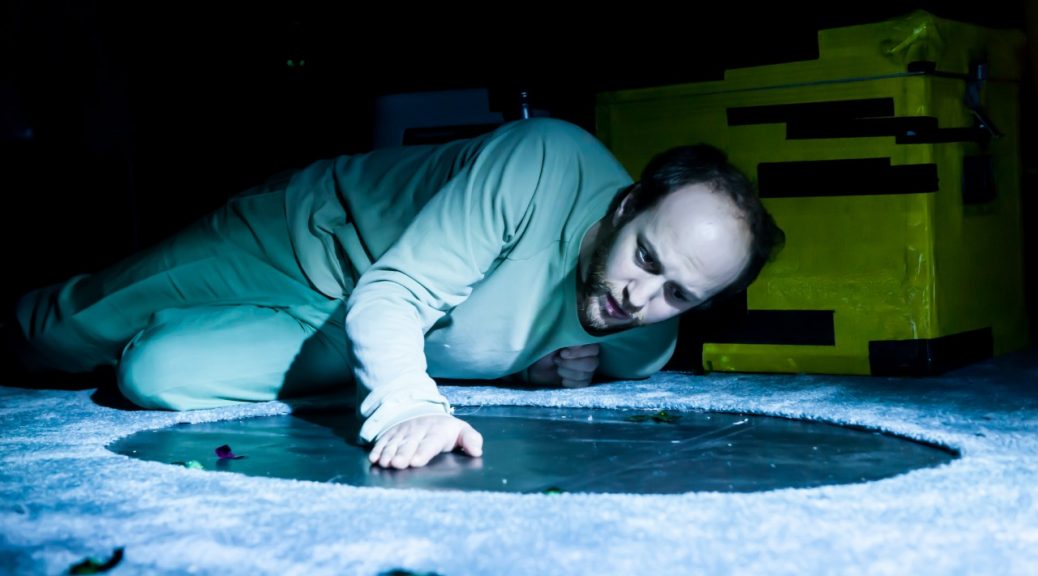
The dialogue is occasionally clunky, a lot of historical background is added clumsily. But the physicality that the company brings to the stage makes up for any shortcomings; these crooks start out slap stick and become menacingly slick. Aided by Roberta Zuric’s direction, and choreographer Zak Nemorin,with only tea chests and a rope for props, the show is atmospheric and exciting. Castle-Doughty is particularly strong in a boxing scene; indeed several fight scenes are handled well by all. As the gang’s success brings on drunken reveling, it is the performers’ skill with movement that conveys a sense of hedonistic escape carrying danger with it.

The ending is not satisfying. It’s clear the gang is trapped in their lifestyle, which makes a morality tale of sorts, but the conclusion arrives too abruptly; cliff-hangers seldom work well in theatre. When the houselights come up, it’s a shock and a shame. But ending the story too soon goes to show how engrossing Tobacco Road is – addictive and well performed, go see.

Until 17 November 2018

www.pleasance.co.uk

Photo by Tim Hall

“A Very Very Very Dark Matter” at the Bridge Theatre

This world premiere from playwright Martin McDonagh marks the first year of Nicholas Hytner’s new home on the Southbank. McDonagh appeals too many, writing in a tradition the programme labels “Irish Gothic”, yet with an approachable modern tone that gives him a distinctive (and much imitated) voice. Here, fairytales are the material, a clever move as they share a sense of the macabre that is McDonagh’s forte. He proposes that Hans Christian Anderson’s stories were actually written by a time-travelling pygmy imprisoned in his attic who plans to save the Congo from Belgian colonialism… Not everyone could get away with that pitch.

The scenario is rich in oddity but poorly developed. Still, it’s clear that director Matthew Dunster is convinced, taking a reverent approach to the script that results in slow moments despite the short running time of 90 minutes. And the cast look as if they’re having a great time with McDonagh’s irreverence. Anderson’s stupidity and ignorance results in a flouting of political correctness only a psychopath can get away with and Jim Broadbent, who takes the role, makes the most of every joke. His fellow lead, playing the real writer, Ogechi, is a more interesting part. In this role Johnetta Eula’Mae Ackles is occasionally too focused on delivering her punchlines. Surely the atrocities of slavery should make the play moving as well as dark? Ackles excels, though, on the play’s ruminations about stories and writings of many kinds. As you might expect, McDonagh provides insight here.

Jim Broadbent

A Very Very Very Dark Matter is funny. As for the style of humour, nobody can complain about trades descriptions. But along with tackling the grotesque and his ability to make you squirm, McDonagh does rely on expletives. It works, and the laughter is deafening, especially when children are swearing, while Phil Daniels and Elizabeth Berrington, as a foul-mouthed Mr and Mrs Charles Dickens, put in good turns. But these jokes might strike you as easy. Especially when McDonagh can clearly do so much more: language difficulties between the British author and the Danish Anderson are much more inventive.

McDonagh takes on contemporary concerns about the canon and commemoration: cultural giants and statues of King Leopold of Belgium. But debate isn’t added to, so the inclusion of such history ends up puzzling. Humour is the selling point – arguably this can be an effective way of questioning the past and its narratives. But the play’s downfall is that is contains so little drama – unlike McDonagh’s other work there’s a lack of tension. Maybe the story is just too silly? Or too self-referential – pointing out the writing’s structure, to purposely deflate it. There’s never an edge-of-seat moment and, knowing how well McDonagh can write, this becomes frustrating.

Until 6 January 2019

www.bridgetheatre.co.uk

Photos by Manuel Harlan

“Don Carlos” at the Rose Theatre Kingston

Friedrich Schiller’s late-18th-century work is a play that has it all, with tons of plot – intrigue at the court of Philip II of Spain (so great for history buffs) – and a romance, too. The Infante Carlos’s love for his former fiancée, now step-mother, leads to scenes with papa Phil that would delight any Freudian. Big politics and Greek-style family drama… it really is two for the price of one.

Samuel Valentine takes the title role, cutting a dashing figure, but also showing the pressurised heir as increasingly fragile. The reigning monarch Darrell D’Silva has a great time striding the edges of a moral and political “abyss”. He does ham it up, but he plays the most powerful man in the world at that time and, if you have a claxon to summon people, it must be hard not to use it. Sympathy for a tyrant isn’t easy, but D’Silva has the skill to make us consider Philip’s deep loneliness. Completing the love triangle is Kelly Gough as Elizabeth of Valois. A figure of “angelic condescension” but also an ambition-fuelled queen, Gough plays with both extremes expertly.

Kelly Gough

On top of roles a good deal wordier than usually encountered, the performers aren’t aided by Gadi Roll’s strict direction. Reflecting the formality of the Spanish court by so often restricting movement is an intelligent instruction that makes you admire the actors even more. Added to that, the speed of delivery here is astonishing, with never a tongue tied. It makes you breathless to hear this play. The impression left at the interval is of clarity but sterility, a dynamic that comes close to totally flipping soon afterwards. The staging is stark, with Rosanna Vize’s design all about Jonathan Samuels’ lighting. Props are minimal and lights moved around – ironically the play is often too atmospherically dark. But Roll ensures this is a gripping story. And there’s still more – this is a play of ideas: leadership, freedom and friendship, all with a Romantic air. 

Embodying many abstract concepts is Tom Burke as the Marquis of Posa, a role that makes the play really special. A plotter in it for the long run, Posa describes himself as “a citizen of times to come”. The role at once parades Schiller’s hindsight and futureproofs the play. Weighty themes of revolution are made urgent and philosophical. The ideas are fascinating, the character too – with a mix of unbelievable devotion and prescience that Burke manages to make credible and human. He also sounds, well, fantastic.

Blood and thoughts are “wild” in Don Carlos– streaming from a conflict with duty and from a time when youth and ideas are about to change the world. The production might struggle with the passion, too tamed at times and then unleashed too quickly, but the complexity of both the drama and the argument are given their due.

Until 17 November 2018

www.rosetheatrekingston.org

Photos by The Other Richard

“Mirabel” at the Oval House Theatre

This cerebral piece, simply billed as a story told by Chris Goode, is adventurous, exciting and, ultimately, puzzling. It’s a show that uses theatrical conventions expertly and proves to be entertaining. But it is so deliberately destabilising that it’s hard to take away much – avoid it if fables frustrate you.

We start settling down to a something close to a fairy tale, though always for adults. It’s the end of the world and Mirabel is alone… apart from her talking teddy bear. In search of adults, she assembles a gang that includes ghosts and a rock as we journey through an apocalyptic landscape.

All this is beautifully written by Goode, who plays with many a sci-fi trope in his narrative. Simple sentences present complex imagery and are startlingly original, with plenty of humour, too. It’s a long monologue, but Goode’s skills as a performer are excellent and he holds an audience well. Aided by director Rebecca McCutcheon, a set comprising hidden depths by Naomi Dawson, and great lighting design from Lee Curran, Mirabel is wonderfully staged. A section of animation from Lou Sumray is stand-alone strong.

As evocative as the story is – and considering its bizarre touches, that’s a big achievement – judging its effectiveness surely requires the play to have clearer aims. This can’t be an exercise in seeing the world through the eyes of a child as, fantasy aside, Mirabel isn’t believable. Political concerns, such as the environment or consumerism, are oblique (they’re bound to be if you bring in UFOs). Is it an allegory? Maybe: the depths of Mirabel’s loneliness are painfully detailed and her growth during the play gives us plenty to ponder. Yet what the script describes as a coda, a bravura spoken-word section, suggests that pinning his work down wouldn’t please Goode. An explanation for the story is offered, then withdrawn, as chaos encroaches to unpleasant effect.

The world of Mirabel that we are allowed access to is well worth visiting. If you like travel for its own sake, then this is a first-class voyage. I am just not quite sure if the trip has any larger point.

Until 17 November 2018

www.ovalhouse.com

Photo by The Other Richard

“Billy Bishop Goes to War” at the Jermyn Street Theatre

This low-key play from John MacLachlan Gray and Eric Peterson tells the true story of a Canadian WWI pilot and makes for a surprisingly gentle commemoration in the Great War’s anniversary year. Our hero, Billy, is pleasingly unusual: an unwilling recruit, accident-prone yet “gifted” and achieving a record “score” for kills. For most of the play, he is shockingly callow. It’s really Charles Aitken’s commandingly affable performance throughout that makes him watchable. Aitken grafts like a real trooper and carries a heavy burden. From caddish bounder to troubled boozer (and doubling as a couple of female parts along with way), he forces energy into a flat script again and again.

Oliver Beamish joins as an older Billy. Director Jimmy Walters allies the roles well, with solid work throughout, but the Billy who looks back at his youth is wasted and simply wallows in nostalgia. It’s with a small number of cameos that Beamish can come into his own, injecting, possibly too much, humour into the story. The japes around Billy’s scrapes go on too long and are repetitive, with weak jokes. The rest of the time Beamish accompanies on the piano – this is a play with music – but sadly the refrains are poor and the lyrics awful.

The play doesn’t get serious until after the interval – fair enough – maybe that was Billy’s personal experience. But then we get more music… and it doesn’t improve in quality. Walters highlights the play’s most interesting features – the role of Britain’s colonies in the war and the idea that the motherland likes its heroes dead – but the play itself doesn’t explore either enough. Worse still, Bishop’s “bloodthirsty” battle lust, so honestly admitted, is left unexamined. The drama and the horror of war are insufficiently evoked. In one sense, this is a useful corrective aside from the more prevalent glory-or-guts narratives of conflict. But the thrill of the kill should lead to a chill in the theatre that is conspicuous by its absence.

Until 24 November 2018

www.jermynstreettheatre.co.uk 

Photo by Robert Workman

“One Write Stand” by the Front of House Theatre Company

Those who serve at the National Theatre have created a chance to reveal their other talents with their own company that shows us what they really want to do. Along with several productions under their belt, a night of new writing is becoming an annual event. There’s undoubtedly a friends and family feel – it’s a bit like gate crashing a good party – and an atmosphere this supportive has a special attraction.

The first half of the evening presents three short plays that struggle with their time slots. Gavin J Innes does best with his two-hander, a scenario of a drugs test for an athlete, which works well as a sketch. The next two efforts, Solicitation Games by Carl Blades and Selfhood by Aaron Gordon, take on bigger subjects – sex and race – and have lots of ideas but fall down when they introduce third characters, despite the valiant efforts of the performers.

Innes also directs his play. Along with Neil Gordon and Elliott Bornemann, who take charge of the other two, there is a common flaw here (easily corrected). Each play is just a little too slow: laughs laboured, drama drawn out, so problems in the scripts are elaborated rather than eased over. And it should be noted that quieter performances often have more impact: Omar Austin does well as the ‘Zen’-like character caught between two feuding sisters in Selfhood.

Omar Austin in Selfhood

On to the second half. Michael Ross’s Brutalism, set in a high-rise block and concerning gentrification, shows writing of the highest quality. Not a line is wasted, and the lead, Amy Beckett, knows it –she has great fun with the comedy in her role as a social worker-turned-propertydeveloper. It’s a delicious conceit that makes you want more. The twist is a surreal one that could have real bite. But it arrives too quickly, leaving the feeling of a fuller play truncated and puzzling. To end the evening on a real high is I Heart Mary by Emma Bentley. Director Courtney Larkin is full of ideas, while a trio of performers – Mauricia Lewis, Olivia Seaton-Hill and Tricia Wey – is boosted by the crowd. The trick is simple: this a sketch about working in the customer service industry. Plenty of jokes ring true and hit home, while the frustrations are depicted sincerely and the piece doesn’t patronise. Preaching to the choir maybe, but it’s contagiously effective.

4 November 2018

www.fohtheatrecompany.com

Photos by Alex Grey

“ear for eye” at the Royal Court

What debbie tucker green’s new piece about racism lacks in conventional dramatic terms, it makes up for with intricate, challenging argument. The didacticism here may deter some, although nobody could mistake its passion. It’s a useful skill – and an achievement to write with such heartfelt conviction and remain so satisfyingly articulate.

It helps to be prepared for ear for eye. The event is in three parts, followed by a brief and haunting epilogue. The opening design has art gallery written all over it, with Merle Hensel’s set reminiscent of Antony Gormley’s Blind Light. But don’t worry, as things become clearer. The direction, also by tucker green, is disingenuously sparse, with a rehearsal room vibe – there’s work to be done and this is a team up to the job.

First up is a collection of short scenes: tales of violence and protest that provide some brilliant monologues for Angela Wynter, Michelle Greenidge and Kayla Meikle. It’s pure poetry as we cover generations and criss-cross the Atlantic. The detail is rich, but the stories are without specifics – a quite magical move that is occasionally frustrating. While it increases empathy for the characters, when it comes to some stories and when considering potential differences between the USA and UK, instinct cries out for more facts. But tucker green is insistent.

Cue part two, which has two academics debating a high-school massacre, with a twist (which the audience has to fill in many a blank for) of startling originality. There are superb performances here from Lashana Lynch, who becomes a picture of frustration before our eyes, and Demetri Goritsas as a patronising expert cagily ignoring the question of race. It’s a bit of a shame that tucker green sets up such a straw man with this character, even if he is brilliantly awful – I can’t curl my toes and concentrate at the same time (maybe tucker green has had more practice at this?).

Lashana Lynch

The third part of ear for eye is a film, with tucker green showing yet another set of skills. A cast of Caucasian men, women and children read out historic laws from America and Jamaica that relate to segregation and the treatment of slaves. There’s the novelty of mixing theatre with film in this way, and the triptych display of the film itself, a piece of cinema with a strangely static quality, is chilling even before considering its subject matter. Carefully using another’s words to complete her argument is a bold move for a writer, but it masterfully closes her case.

ear for eye needs patience, as complicated arguments require time. We are taken from body language to legal discourse, from the personal to the political and, while this is dizzyingly expansive, tucker green’s point is surely to show the connection between then and now: how the words on film affect the lives of the characters on stage. Her glorious text is all about tenses, as past, present and future are mixed from one sentence to the next, but it can be disorientating. History is collapsed as our contemporaries recite those awful laws and claim a living legacy for racism that is such an important part of contemporary debate.

Until 24 November 2018

www.royalcourttheatre.com

Photos by Stephen Cummiskey

“I’m Not Running” at the National Theatre

A life in politics, with new trends and old truths, is tackled in David Hare’s latest work. Hare imagines the success of a fictitious independent campaigner for the NHS, a single-issue candidate with a populist touch, who gains such momentum she just might run for leader of the Labour Party. This will-she-won’t-she drama proves surprisingly entertaining.

Focusing on a heroine means Hare tackles current developments in feminism, a bold move that he carries off well. The character of Pauline Gibson condenses many problems women face with insight and humour, although she’s written a little too naïve – the play spans 20 years and there isn’t enough personal development. But it’s a star role for Siân Brooke who, while shouting a tad excessively, manages to make a demanding role look easy work and proves a captivating presence with the charisma the character calls for.

Considering Gibson as a new kind of politician gives the play topical cachet. The debate is about party machinery, admittedly an easy target, and Hare gets good laughs with plenty of insight. A press officer, whose character is given depth by Joshua McGuire, makes for one successful foil. Gibson’s college boyfriend and then leadership rival is the show’s second lead: Alex Hassell’s Blairite creation is delicious fun, just the right side of caricature. The romance between Brooke and Hassell’s characters wastes time. It’s too easy to spot where director Neil Armfield has tried to inject pace, and the arguments that ensue are contrived.

Either Gibson is your worst nightmare or she’s the politician we need rather than the one we deserve. Either way, the character is too simplistic for I’m Not Running to be truly brilliant. The play is a traditional affair; inexplicably Hare’s craftsmanship and the very idea of a national debate at the National Theatre turns some off. But perhaps what dates Hare most is his wry, sardonic tone. This is playwright as sage, a role Hare has earned and that I am happy to subscribe to. The distance in his authorial voice gives a calmer approach than much current political discussion and makes him, refreshingly, open and questioning. And Hare has the experience to make the topic work theatrically. Clearly, the subject matter is important. This play is about the most powerful political ingredient – hope. And examining how realistic we are about our politicians is essential. But the real skill here is to make such ideas exciting. Will Gibson renege on a statement not to run? Will a politician actually end up telling the truth? Despite expectations, Hare makes the question gripping.

Until 31 January 2019

www.nationaltheatre.org.uk

Photo by Mark Douet.

“A Guide For The Homesick” at the Trafalgar Studios

There’s a good story within Ken Urban’s play. Bear with me, as the opening isn’t promising: a one-night stand between two men in a foreign city who begin to reveal their dark secrets. As you might guess, it’s contrived, predictable and a little silly. But, as themes of betrayal are exposed, the fine line between friendship and romantic love is explored. As the play develops to include a global look at LGBT rights, it gets better and better.

The two main characters here are not appealing. It’s not that they’ve done anything bad, as becomes apparent all too quickly, but because their privilege brings their remorse perilously close to indulgence. Maybe Urban is making a point here? The characters ring true enough, their virtue-signalling as empty as any cynic might wish. But their self-obsession borders on the incredible. It takes two fine performances to flesh the characters out.

It’s easy to see the roles’ attraction for both Clifford Samuel and Douglas Booth, who take the parts of Teddy and Jeremy, respectively. Under the careful direction of Jonathan O’Boyle, they excel. Both are careful studies: Booth’s character is full of nervous energy and Samuel’s a false confidence. Better still, the backstories of the men who now haunt Teddy and Jeremy mean switching into new roles – accomplished in fine style. Booth has a good line on tortured mania, while Samuel is stunning as a happy man whose life is destroyed.

It is the stories of these other men, Nicholas and Eddie, that are really interesting. We need to know more of Eddie’s mental health, not least how this relates to Teddy’s feelings for him. And it would be good to explore Jeremy’s motivations for becoming an aid worker in Africa more deeply. But the plight of Nicholas as a gay man in Uganda, which is where most of the play’s impact lies, makes A Guide For The Homesick an urgent call to action. The role of the American right in the rise of homophobia is mentioned more than once and the questions of responsibility that fill the play become forceful. There’s an uncomfortable balance between the two traumatic stories, while both make the angst of our moaning main protagonists pale. Again, how much Urban intends this highlighting of first world problems is an open question, but it’s a fascinating one that, after a false start, makes the play one to ponder.

Until 24 November 2018

www.atgtickets.com

Photo by Helen-Maybanks

“Wise Children” at the Old Vic

Emma Rice and the late Angela Carter make a fine match – their works are full of invention, wit and fantasy. This new adaptation of Carter’s 1991 novel is a great yarn that distils, through its fairy-tale exaggerations, themes of family that are universal while being original and surprising. The story of twins Nora and Dora Chance is full of pain, but also joy – combined with blissful theatricality.

As both director and adapter, Rice has a defined style, well-honed, with plenty of trademarks and I, for one, can’t get enough of them. Instilling a complicity with the audience from the start, the show is a mix of music, dance, even mime. The aesthetic is ramshackle and peripatetic, with a caravan that’s moved around. Costumes become the key to character (with great work from Vicki Mortimer). Rice’s talented cast takes on a head-spinning number of parts with such skill that it’s difficult to work out how many people are performing.

The multiple roles are especially important for Wise Children as six people play our heroines throughout their lives. The performers interact and look over one another’s actions to magical effect. All are wonderful but, taking the lead as the oldest incarnations, are Etta Murfitt and Gareth Snook, whose interaction with the crowd is truly expert. The twins’ past takes in abuse, abandonment, death and war. But throughout there is a sense of humour and mischief. Leading the laughs, complete with a fat suit and big attitude to match, are Katy Owen as Grandma Chance, who takes in the girls when they are babies. And Paul Hunter’s turn as end-of-the-pier comedian Gorgeous George is a real gem.

Paul Hunter as Gorgeous George

The twins have a life in theatre and their stage career provides a lot of value, including a Shakespeare revue (with surely an eye down the road to Rice’s ex-residence, the Globe) that’s a real hoot. Their birth father (another great role for Hunter) is an old-fashioned mummer, while his acknowledged children, who manage to get to RADA, provide further roles for Mirabelle Gremaud and Bettrys Jones to excel in.

Alongside all the fun and fantasy, Carter retains an edge that injects realism into her story. Rice respects this balance and her multi-disciplinary approach is perfect for bringing out the text’s complexity, including its dark moments. Attacking events with fantastic energy, there’s all the lust you can handle in this genre-defying, gender-bending production, which culminates in a paean to the idea of the logical family. “Oh, what joy to sing and dance” is the twins’ refrain. And what a joy to watch, too.

Until 10 November 2018

www.oldvictheatre.com

Photos by Steve Tanner