“Joan Clegg” from the Finborough Theatre

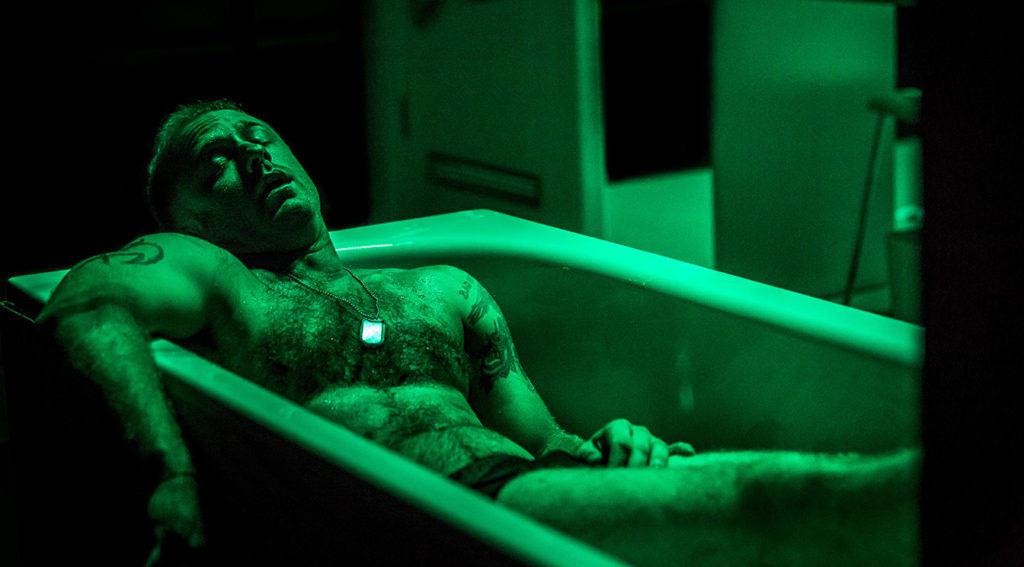
Highlighting its strong reputation for rediscovering classic plays, this lockdown offering from Neil McPherson’s treasured venue had not been performed in London since 1944 when it was revived last year. Expert director David Gilmore shows us what we’ve been missing with a production of the highest quality.

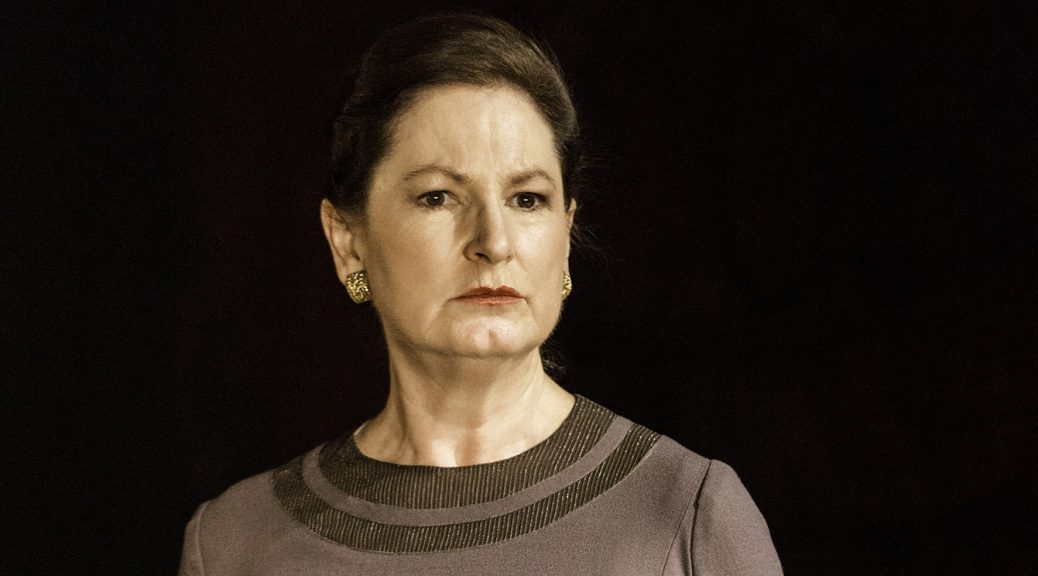
It’s easy to see St. John Ervine’s 1913 piece as an English version of Ibsen’s A Doll’s House. The honesty about an unhappy marriage must have been just as shocking to Edwardian audiences as the Norwegian’s work. The frustrated, intelligent and independent Joan is a nice match for Ibsen’s Nora. And Joan is a similarly great role for an actress – here, Alix Dunmore embraces the opportunity to her credit, steely and dignified with a melancholy regret sustained throughout.

Ervine’s writing is solid. If the plot plods and there are some laughs at the outdated sexual politics, Joan Clegg is a robust piece. The inspiration of Ibsen runs deep – an attention to detail that naturalism insists on means the play stands on its own, rooted in a particular time and place. Gilmore does well to nurture these culturally specific touches, supported by performances from Victoria Lennox and Sidney Livingstone, as the mother-in-law and the husband’s manager. A sense of social constraints is strong but never over-stated.

As for that “absolute rotter” of a husband, Henry, that he isn’t a total turn-off is more to the credit of Brian Martin’s performance than the writing. Henry’s stubborn arrogance as his lies – and Joan – catch him out provides drama, despite being predictable. With Henry around it’s too obvious that Joan’s cry of “I demand as much as I give” isn’t going to be heeded. Her independence is a bit too much of a relief for a modern audience. But hearing about Joan’s life, over a century later, is powerful and stylish thanks to fine work from Gilmore and Dunmore.

Until 5 August 2020

www.finboroughtheatre.co.uk

Photo by Doug Mackie

“Coriolanus” from NTLive

It’s a shame not to be able to rave about Josie Rourke’s Donmar Warehouse production of Shakespeare’s Roman epic a little more. The idea of putting the title character’s mother, Volumnia, to the fore is excellent and leads to the performance of a lifetime from Deborah Findlay. But Coriolanus is a tricky play, with an unappealing central character and short crowded scenes that are tough to make convincing. Although Rourke tries hard to inject energy and aid comprehension, the play frequently drags and hard to follow.

Rourke recreates the battle scene (where Caius Marcius wins his honorary surname of Coriolanus) with chairs and ladders – it probably looked better on stage but it is tough to follow. And a hard-working cast doubling up as politicians from different sides is also confusing.

It’s difficult to care about Coriolanus and his obsession with honour – even his arrogance becomes repetitive. How good a politician might he be? Is he truly modest or just another hypocrite? Such questions become unsubtle in a show with lots of shouting and moving around, none of which helps you work out what is going on or makes it exciting.

Thankfully, Deborah Findlay makes the show more than worth watching. Every scene with Volumnia is marvellous; from her introduction as the mother who would rather have a “good report” of her son than have him survive a war, to her creepy adoration of his battle scars. Findlay makes the exaggerations everyone spouts make sense. Rourke’s focus pays off and if the show uneven – aren’t we just waiting for these scenes? – it’s worth it. Here, Rourke has added to our interpretation of the play and brings out the best bits.

It’s not that the rest of the cast is bad – far from it. There are good turns from Elliot Levey and Helen Schlesinger as the tribunes who plot against Coriolanus, and making them lovers is another good idea. Mark Gatiss, as Menenius, gets better as the show goes, with a “cracked heart” from his last meeting with Coriolanus that is effective. 

CORIOLANUS The Donmar Warehouse credit Johan Persson
Tom Hiddleston

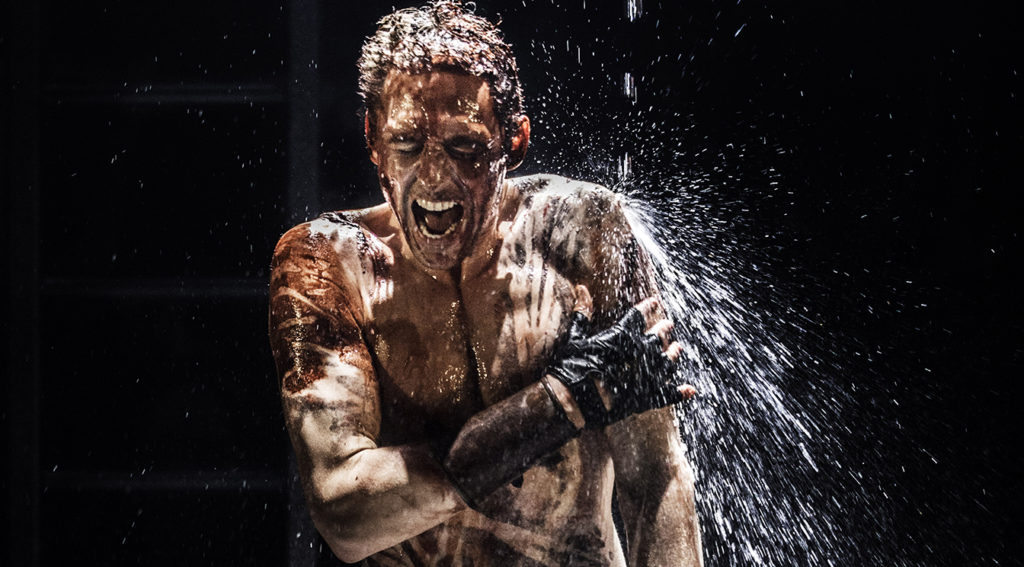
As for our leading man, Tom Hiddleston is very good indeed. It might have been interesting to explore the suggestion of “witchcraft” in the role, but Hiddleston is more than a little scary and brings out the character’s urge to be the “author of himself” well. Hiddleston can hold a stage superbly and, with Rourke’s impressive visual sense in this literally bloody show, helps creates some memorable images.

Yet even Coriolanus ends up seeming something of a foil for his mother – Findlay is so good. On her son’s exile, Volumnia refuses to cry, saying “anger’s my meat” in chilling fashion. That she finally begs Coriolanus is all the more moving – no wonder Hiddleston is reduced to tears. Even here there is a manipulative edge (see how she ushers her grandson towards his father) and note that this tragic dilemma is hers. Coriolanus says his mother deserves to have a temple built to her. It’s one of the few sensible things he utters. But, recalling Matthew Dunster’s idea about Cymbeline a few years ago at Shakespeare’s Globe, it might be an idea to change the title of this play, too? From Coriolanus to Volumnia anyone? 

Available until Wednesday 11 June 2020

To support, visit nationaltheatre.org.ukdonmarwarehouse.com

Photos by Johan Persson

“Isolated But Open” from Papatango

Artistic director George Turvey’s quest to find new talent hasn’t stopped during the Covid-19 lockdown. Quick to respond to theatre closures, ten new monologues (plus two from award-winning playwrights) have been filmed by actors working in isolation. Without trying to “rate” this dozen – and apologies to those missed out – the standard is high and there is something for all to enjoy.

Several of the monologues address our current conditions. Arguably Benedict Lombe’s piece, rise from the wreckage, highlights opportunities and problems. The character’s challenge to aim for “something better” after lockdown is commendable. And the technique of dealing with the “one-way conversation” the monologue format has to confront is good – it’s a message to a future self. But the script is a touch self-conscious and the language full of slogans.

Emma Pritchard’s Pythagoras benefits from more imagination. Its subject is a young girl who plans to rescue a horse “as the world is ending”. Touching on teenage lives put on hold by the virus, there’s a quirky sense of humour and an excellent performance from Lucy Bromilow, who even seems to blush on cue. Balcony Bonding by Rachel De-Lahay is perhaps the strongest written: a Facebook Live chat between neighbours who don’t know each other, led by an endearing character in a strong performance from Susan Wokoma (complete with infectious laugh), it is simple but effective.

It’s a personal preference, but I enjoyed the escapism of monologues that had nothing to do with the coronavirus more. William Drew’s Hungry Like has a neat, intriguing premise with a surreal touch, and Angus Harrison’s Guts makes the induction of a newly recruited fishmonger in a supermarket far more interesting than it sounds!

Three plays that touch on grief were my highlights. Martha Watson Allpress’ Wild Swim has a simple premise about a mother and daughter that proved effective: painful but positive, impressively filmed (although the music proved distracting) and expertly performed by Lizzy Watts. Hips by Alex Riddle isn’t quite as focused, but the idea of a father and son who are professional impersonators could easily be developed and Josef Davies’ performance is great. Another short leaving you wishing it was longer comes from Tafline Steen, who manages to quote “existential terror” without coming across as pretentious (thanks to Andrea Hall’s performance, maybe) and who mixes feeling with philosophy in a way I’d like to see more of.

The degree to which these monologues should stand fully formed or show potential to grow is only one starting point for debate that the selection provokes. All involved should be proud of this inspiring project – and to have been included from an amazing 2,063 submissions. That is a lot of talent for Papatango to continue to try and foster, which brings us, deservedly, to the donation button!

www.papatango.co.uk/isolated-but-open

“Bound” from the Southwark Playhouse

The Elephant & Castle venue’s fund-raising offering during the Covid-19 lockdown is impressive. There are four projects: Shakespeare, the musical Wasted, weekly monologues from Philip Ridley and this play from Bear Trap Theatre, which originally ran in 2011.

Written by Jesse Briton, who successfully packs a lot in to just 80 minutes, it is the story of ‘cursed’ fishing trip by Devon trawlermen. A troubled industry is the backdrop to an increasingly dangerous trip journey, which makes the show exciting.

Also directing the show, with help from lighting designer Seth Rook Williams, Briton conveys the peril faced – and the storm itself – with the simplest of means. It’s the kind of show that makes you love live theatre. And the recording, which has a static camera, is the kind I’m starting to prefer, as it’s far more authentic.

Drama doesn’t just come from the sea. Briton’s characters are impressive, if not uniformly developed. Bound shows a man’s world that diverges slightly from the toxic masculinity often seen on stage. Regardless of the arguments, big and small, there is a strong sense of care and affection – and a powerful undertow of a claustrophobic community burdened by its history.

While the cast might vary a little more in age, all do a good job with their distinctive roles. Joe Darke does especially well with Graham, who provides a good deal of the show’s many lighter moments. The older men are the source of plenty of jokes, so it is to the credit of actors James Crocker and Alan Devally that their moving story lines are still so strong. And Daniel Foxsmith is excellent as the most complicated character, Reece, who is a mix of unappealing politics and good common sense.

It isn’t all plain sailing. An outsider to the group, a Polish agency worker, is a role with a lot riding on it; Thomas Bennett works hard, but the character feels too naïve and Briton falters when it comes to showing English as a second language. The character of Woods, the skipper, is made compelling by John McKeever’s performance, but really needs plumping out.

The moral dilemma that leads to the play’s finale arrives too late and is ill prepared. Even worse, it isn’t really strong enough – there’s little sense that these brave men would take any other course of action, no matter how awful the outcome. But Briton’s direction bridges problems in his script. With the help of associate director Joe Dark, the movement work here is excellent. Best of all, songs – performed by a cast who turn out to be excellent singers – bind the show in ship-shape fashion.

Available until the theatre is open again at https://southwarkplayhouse.co.uk/streaming/

“Hairspray” from The Shows Must Go On!

While few would call Marc Shaiman’s adaptation of John Waters’ movie a great musical, it is a lot of fun. And this version, filmed for TV by Kenny Leon and Alex Rudzinski, performed live with a star cast and plenty of cash behind it, really does the piece proud.

Maddie Baillio is a superb Tracy Turnblad, the teen whose adventures we follow and whose body-positive attitude is inspiring. Baillio has an innocent edge and manages to convey how outrageous the character is supposed to seem. Fighting segregation in 1962 Baltimore, through her protests on The Corny Collins TV show, gives this musical a sense of purpose. Mark O’Donnell and Thomas Meehan’s book, along with witty lyrics from Shaiman and Scott Wittman, make sure there is merriment alongside messages.

With the exceptions of the opening and closing numbers, Shaiman’s score, while enjoyable, isn’t quite memorable enough. Although good pastiche, with a point to make about how African American music was appropriated into the mainstream, it doesn’t unify into a whole that builds. The tongue-in-cheek lyrics are often better than the tunes themselves.

The production impresses, though, not least with the massive film studio set of a whole street, moving traffic and even rain! Judicious use of split screens is only one example of the impressive camera work – cinematography that also gets the most out of some great choreography which, inexplicably, IMDb doesn’t seem to credit.

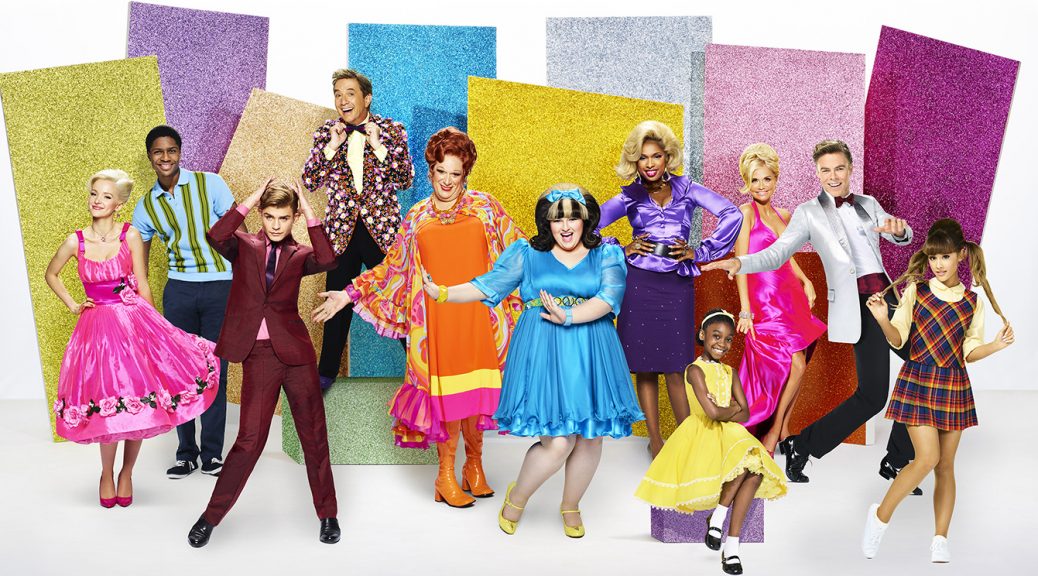
Best of all are the characters and cast that, from Hughes’ film onwards, have become much loved and loathed. As well as star cameos from Rosie O’Donnell and Sean Hayes, this version has a lot to boast about. The legendary Harvey Fierstein reprises his role as Edna Turnblad and it really is a marvel to see how much he can get out of punchlines (even when they aren’t that good). Jennifer Hudson makes Motormouth Maybelle’s anthem, Big, Blonde and Beautiful, as rousing as possible – what a voice! Garrett Clayton as Tracy’s love interest, Link, shows surprising depth, while Ariana Grande, as her friend Penny, proves a fine comic actress. Hairspray also has great villains – the mother and daughter Von Tussles. The latter provides a fine role for Dove Cameron, who made me laugh out loud more than once. As for mummy dearest, the spectacular Kristin Chenoweth is a scream every moment she’s on screen. Tracy may be aiming for a “degree in musicology with a minor in ethnic studies” and, secondly (good girl), Link’s affection, but Chenoweth already has a doctorate in giving a divine performance.

Available on The Shows Must Go On! YouTube channel until 31 May 2020

Photo by Brian Bowen Smith/NBC

“This House” from NTLive

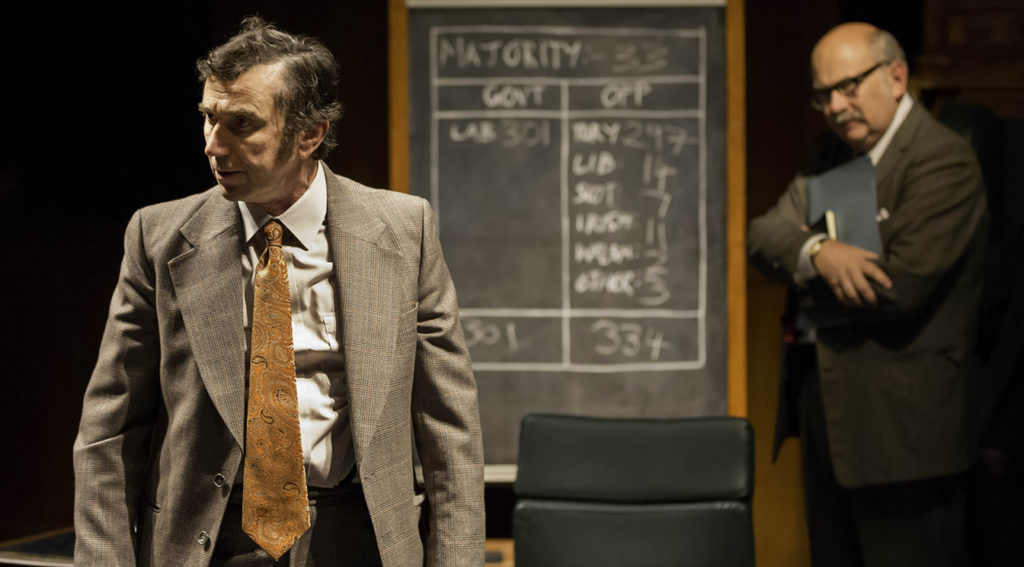
The scheduling for the National Theatre’s fund-raising lockdown-lifeline was organised a while ago, so a play about arrogant politicians and their mistakes can’t be seen as a current commentary. And anyway, in James Graham’s fantastic play the humanity of our Members of Parliament is to the fore, making it funny and moving as a result. Set between 1974 and Margaret Thatcher’s election five years later, these politicians of a previous age come off rather well. The current lot should be so lucky in their chronicler.

Too young to remember the events he so skilfully recounts (as one MP comments, it’s “anarchy out there”), Graham surely makes them slightly more interesting than they really were. Comprehensively and impeccably researched, this is a modern history lesson brilliantly told. All manner of boring bills and the arcane workings of parliament are made fascinating and funny. You honestly don’t have to be interested in party politics to find This House interesting.

Jeremy Herrin’s direction is a masterclass: what could so easily be confusing is clear, his appreciation of the comedy is perfect while at other times the pace resembles a thriller. Herrin is also careful to allow space for more poignant moments without lapsing into sentimentality – the script benefits as a result. It’s hard not to become attached to several figures, even with smaller appearances (the member for Walsall North and a subplot about mental health, played by Andrew Havill, spring to mind).

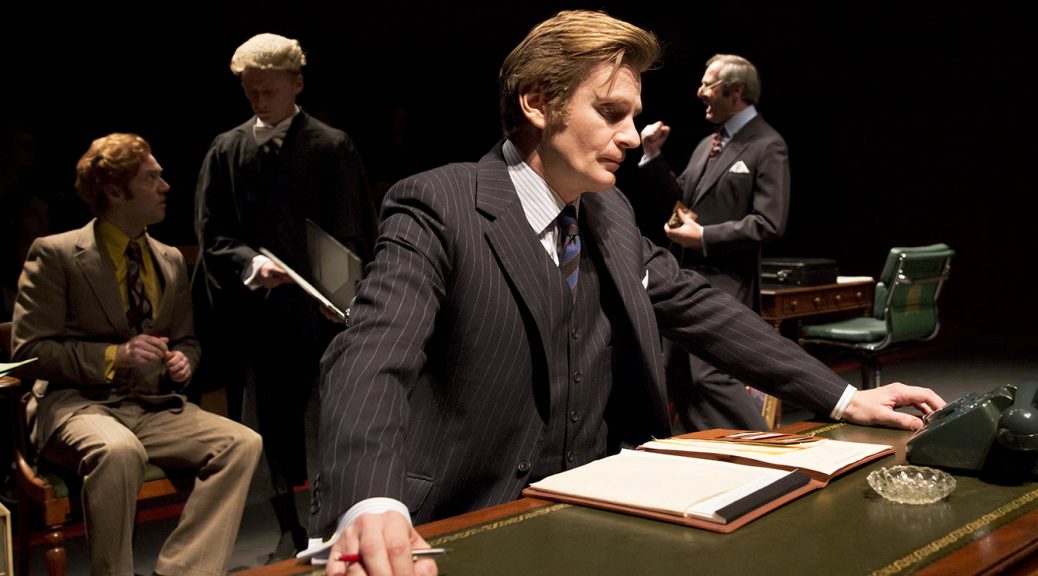
Focusing on the “engine room” of the Whips offices is Graham’s key move. On the Labour side, the roles of Walter Harrison and Ann Taylor prove the most interesting, making great roles for Reece Dinsdale and Lauren O’Neil, who play with how ruthless their characters are with appropriate efficiency. The jokes on class, gender, personal foibles and the 1970s range from downright howlers to subtle observation. The “aristotwats” they oppose are led by the brilliantly waspish Humphrey Atkins and the dapper Jack Weatherill, even stronger roles for Julian Wadham and Charles Edwards who are both brilliant.

Phil Daniels and Vincent Franklin in 'The House' at the National Theatre credit Johan Persson
Phil Daniels and Vincent Franklin

This is a recording of the show’s transfer from the Dorfman (then Cottesloe) into the larger Olivier auditorium. The music accompanying the show seems less noticeable and Rae Smith’s design, including the audience seated on a moving stage (what fun) is understandably lost. A bigger problem is that the cast seems to be compensating for the bigger space. Yes, politicians shout a lot, but the lead Labour Whips, played by Phil Daniels and Vincent Franklin, bellow all the time and the roles suffer as a result. Filming exaggerates this further.

Nonetheless, as a “war of attrition” takes its toll on the Labour ranks, Graham’s questioning of cooperation and the constant deals politicians make comes to the fore. Remember that when it was written in 2012 the UK was dealing with its first coalition government since World War II. A long way from Machiavelli, lots of the machinations here are petty, the motivations mostly tribal. Neither detract from the drama and maybe one character becomes something of a hero? Without making excuses for our masters, Graham has shown one lot at least working hard and trying their best.

Available until Wednesday 3 June 2020

To support, visit nationaltheatre.org.uk

Photos by Johan Persson

“Macbeth” from Shakespeare’s Globe

Even a virtual trip to London’s South Bank is welcome during the current Covid-19 lockdown. Macbeth was filmed on a wet day earlier this year – how I miss that peculiarly British pastime of watching outdoor theatre in the rain, and would happily sacrifice the current fine weather for the chance to be a groundling again! Unfortunately, the uncomfortable fact remains that director Cressida Brown’s production – fast and full of ideas as it is – is below standard.

Brown is keen to keep the action moving and anxious to show she has fresh thinking to offer. While surely defendable in a debate, the ideas don’t work well on stage. Maybe there’s too much of an eye on provoking discussion in the school room? Too many innovations fail, and some are downright awful. It’s all the more disappointing as the relatively small cast works hard, only to end up burdened by the direction.

First the famous witches. They arise from a pile of dead bodies on the battlefield, which is a good idea. But all three fail to be scary. The attempts at a playful air aren’t even creepy. Driven by the reference to a “bloody child” in Act 4 scene 1, the apparitions of the witch’s “masters” are dolls… and the scene ends up closer to funny than fearsome.

That the Scottish court, with Georgia Lowe’s design, is a contrast to blood-stained soldiers isn’t bad. But making Dickon Tyrrell’s Duncan a golf-playing, egotistic fool (even if some rulers are just that) makes it hard to care about what happens to him. As for his son Malcolm, the idea of emphasising his schoolboy age makes sense but comes back to bite Brown and makes Aidan Cheng’s performance in the role regrettable. Putting him in shorts and Harry Potter glasses really doesn’t work when he tries to trick Macduff as to his “voluptuousness”. Cheng’s delivery is so uninspired that other characters don’t even bother to stay onstage and listen to him.

There are bigger ideas and surprises in the show. Most will be shocked that Lady Macbeth’s encounter with the doctor has disappeared – I assume there’s some academic thinking behind this, but it leaves the audience (let alone Elly Condron, who takes the role) a little cheated. That Lady Macbeth is visibly pregnant during most of the show fits in with a debate most do know about. But, without explicit references in the text, all Condron can really do is rub her padded tummy a lot. Oh dear.

Thankfully, the show still has points to enjoy. Condron’s chemistry with her husband is good; that their relationship fraught from the start aids her powerful performance. The dynamic between Macbeth and Banquo benefits from Samuel Oatley’s strong performance as the latter. Best of all, taking the title role, is Ekow Quartey. His Macbeth is puzzled, frightened and nervous, even suicidal at one point. Good at showing panic and great in his fight scenes, Quartey can work the crowd as he goes to “mingle with society” during the banqueting debacle. It’s just a shame that this fine Macbeth finds himself in such a poor production.

Photo by John Wildgoose

Available until UK secondary schools reopen on globeplayer.tv

To support, visit www.shakespearesglobe.com

“The Encounter” from The Barbican

There are tricks from the start in this show from director and performer Simon McBurney and his renowned theatre company Complicité. A special introduction to the live broadcast reminds us that this is an event from four years ago. McBurney addresses us now, “confined at home”, and is careful to point out we’re missing how theatre evolves. The point isn’t just a painful reminder, it addresses the show’s key theme of time, indicating we’re dealing with a keen intellect who has plenty to say.

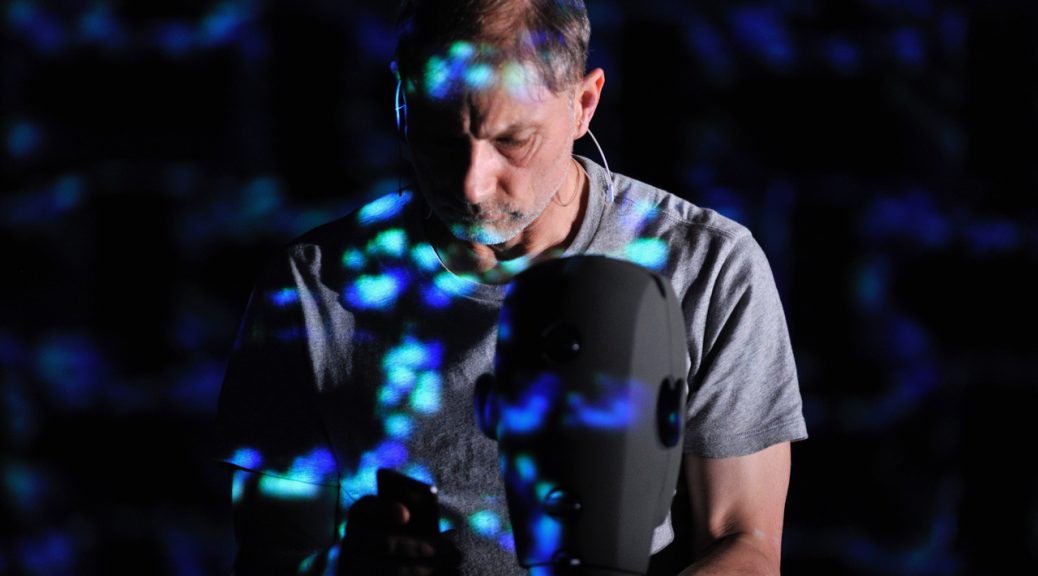
Continuing to be transparent with the trickery of the technology he uses forms a long introduction on stage as well. McBurney takes us through the effects that can be achieved as his audience, online and in the theatre, wear headphones. Interesting and funny; showing us what he can do to fool our brains doesn’t make the sound effects less effective. It endears him to the audience as a character and aids that all important complicity – the “common imagination” which powers theatre… and so much more.

The Encounter

Based on Loren McIntyre’s 1969 travels to an isolated tribe in the Amazon, all the playing with reality has a point. It takes us quickly to questions of how communities create stories that shape us and argues that time and communication might be very different from what we in the west are used to. The suggestion of telepathy comes through ceremony and drug use within a story containing considerable danger and excitement as well as plenty to think about.

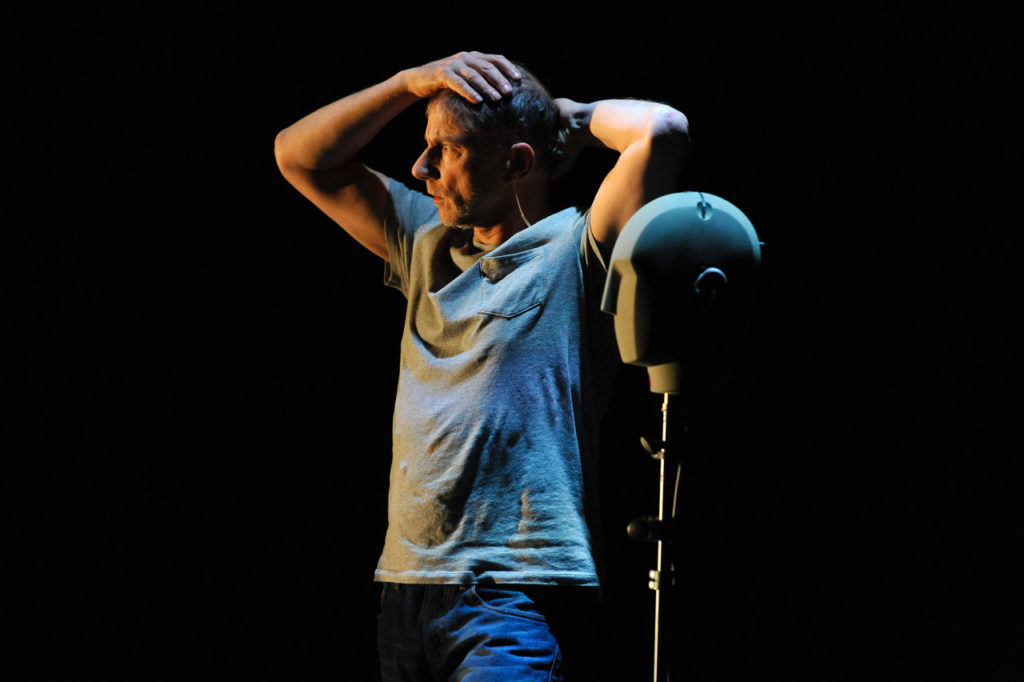
The Encounter is fascinating, although it doesn’t wear its learning lightly. When it comes to McBurney’s own story telling it might be better, simpler. That sounds odd when we just have one man on a stage – although McBurney is keen to acknowledge his sound operators and there’s also some impressive lighting (from Paul Anderson). And don’t be fooled into thinking it is all about sound, this is a physical tour de force with plenty of running around and explosions of rage. The caveats are minor: overlapping dialogue, while making a point about the “cacophony” of communication, hinders just that. And relating the story to McBurney’s own life, with the voice of his daughter frequently interrupting, is driven by theory rather than drama. Nonetheless, both ideas and execution are mind expanding and the show rightly acclaimed.

Available until 25 May 2020

To support visit www.complicite.org

“The Sound of Music” from The Shows Must Go On!

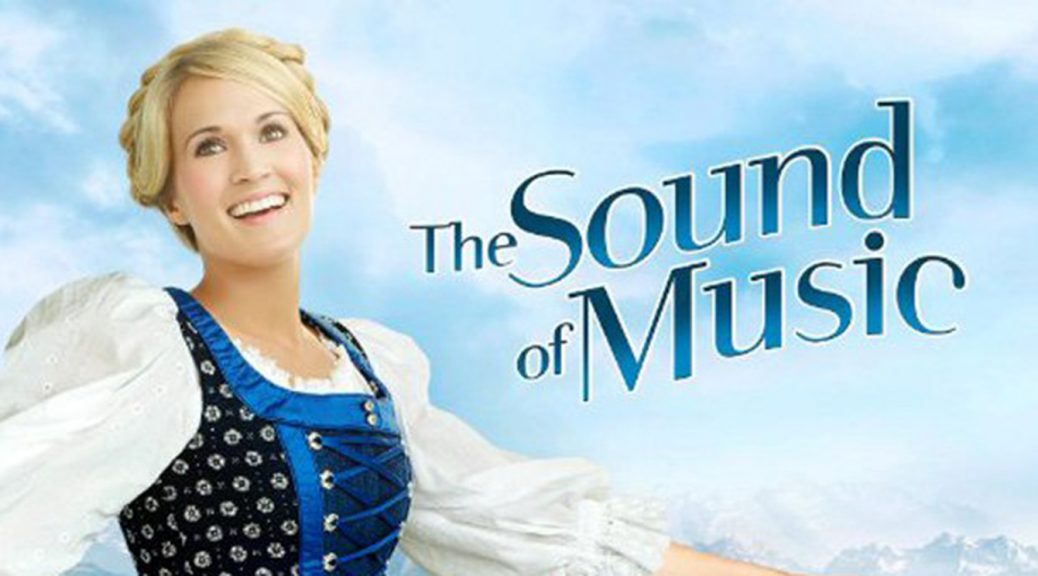
This is the first show in the fund-raising series started off by Andrew Lloyd Webber that is not his work. And while the beloved Rodgers & Hammerstein musical is welcome, it takes me out of my blogging comfort zone! Although presented as ‘live’, this a film directed by Rob Ashford and Beth McCarthy-Miller with little sense of the theatre. Even trickier, it has a very made-for-TV feel.

We can still enjoy the wonderful, hit-filled score and be impressed by the book (from Howard Lindsay and Russel Crouse), which tells the true story of the Von Trapp family singers so expertly. The cast of famous names is attractive and there is a lot of lovely singing here. But this isn’t going to satisfy anyone looking for a theatrical fix as it suffers from a static air that makes you wonder… why not just go for the real film?

The stilted feel doesn’t just come from some unimaginative filming, sets or choreography. It rests mainly with performances that are downright poor. Stephen Moyer’s Captain Von Trapp sounds good but his performance is surprisingly tense and devoid of humour. Perhaps less surprisingly, the children also seem scared, a little too close to the “marching machines” that their fictional father wants them to be.

The exception among the younger roles is Ariane Rinehart, who does a good job at Liesl and the acting gets much better with strong performances from Christian Borle and Laura Benanti – scenes with these two really pick up. But, while it makes a nice reference, the unsolved problem here is Maria. The central performance from Carrie Underwood sounds fine; although her singing lacks nuance, in her defence Maria does make a point of singing loud! But more wooden than the Wienerwald, Underwood’s acting is frequently poor. The whole thing looks such an effort, it becomes painful – surely these lockdown times are tense enough.

Available on The Shows Must Go On! YouTube channel until 23 May 2020

“A Streetcar Named Desire” from NTLive

Provided during lockdown via the National Theatre, Benedict Andrews’ acclaimed production of the Tennessee Williams classic was a big hit for the Young Vic back in 2014: don’t forget there are two places to consider donating to this week! Intense and innovative, it reflects the spirit of its author and is a strong revival of a classic.

The legendary role of Blanche DuBois, the archetypal Williams heroine – a deluded, down-at-heel former Southern Belle – makes a star role for Gillian Anderson. The issue with such an iconic part is the struggle to make her appear new, and Anderson achieves this with a fraught interpretation full of pain that focuses on alcoholism and mental health.

Blanche is charming and sexy. Anderson makes her funny, too. But she is also imperious and her arrival and stay with her sister and brother-in-law, Stella and Stanley, along with a romance with their friend Mitch, is full of condescension as well as tension. Blanche’s “awful vanity”, which Anderson does not share, make her unappealing and her attraction to young boys is downright creepy. The desire for “temporary magic” doesn’t convince as it might, but Anderson still makes Blanche a heart-rending figure.

Andrews’ use of a revolving stage made the production memorable, but Magda Willi’s design is downplayed in the recording in favour of close-up shots. This is to the benefit of all, as the fine work from director and cast is, literally, clearer. This Streetcar Named Desire is presented as a real four-hander.

Vanessa Kirby in 'A Streetcar Named Desire'
Vanessa Kirby

Vanessa Kirby’s Stella is at her best when showing sisterly concern, which she does with consistent skill. Ben Foster’s Stanley is entirely brutal, given none of the glamour sometimes associated with the role. He’s all “animal force”, which makes his final outrage against Blanche (a scene not for the faint hearted) terrifying; the predestination he claims – “We’ve had this date with each other from the beginning” – is chilling. Foster’s performance is stark but fits Andrews’ brutal vision. Violence pervades the show, domestic abuse is taken for granted, and even Blanche’s suitor Mitch moves from having a “sensitive look” to being a threatening presence in a brilliant performance from Corey Johnson.

Ben Foster in "A Streetcar Named Desire"
Ben Foster

Williams, like his creation Blanche, goes for “strong bold colours”, a preference literally reflected in Jon Clark’s lighting design and one that sums up Andrews’ approach. As the “evasions and ambiguities” Blanche has been living with lead to a total breakdown, there’s the suggestion that Stanley, as with every other man she has encountered, has gaslighted her. It’s a bold and enlightened way of bringing out Williams’ questions of “deliberate cruelty” that make this production even better on a second viewing.

Available until Wednesday 28 May 2020

To support, visit nationaltheatre.org.uk, youngvic.org

Photos by Johan Persson