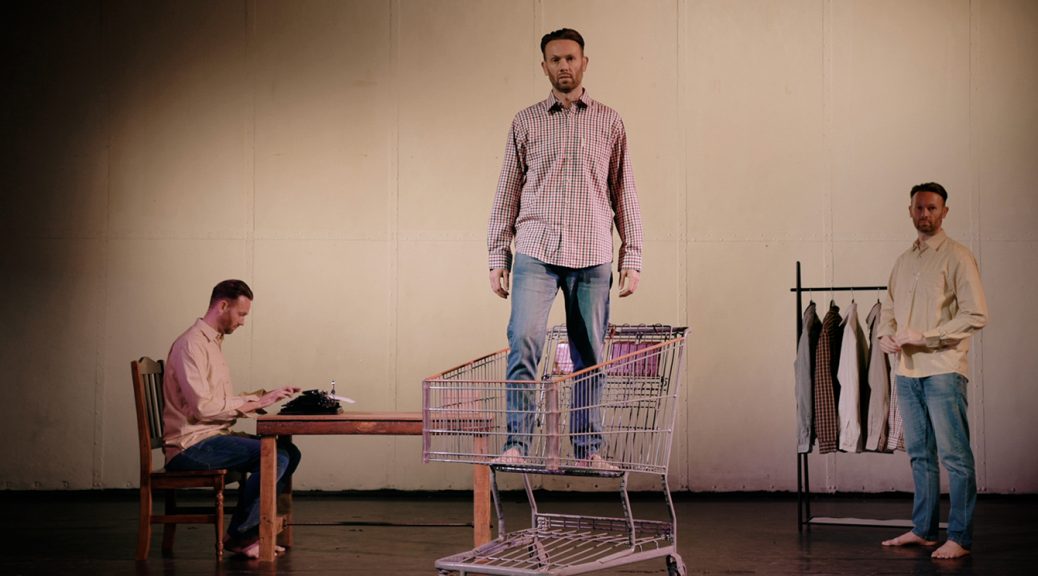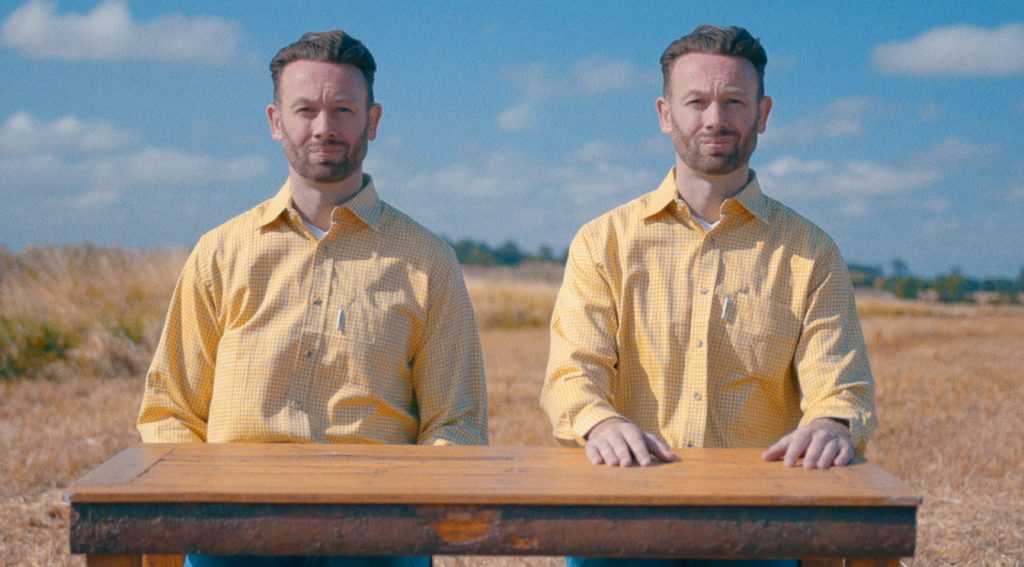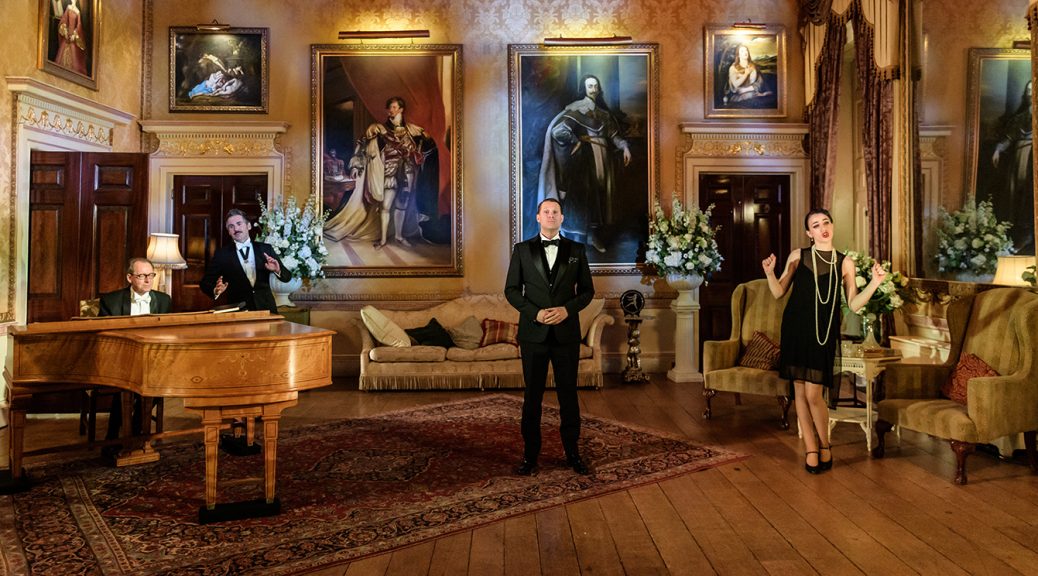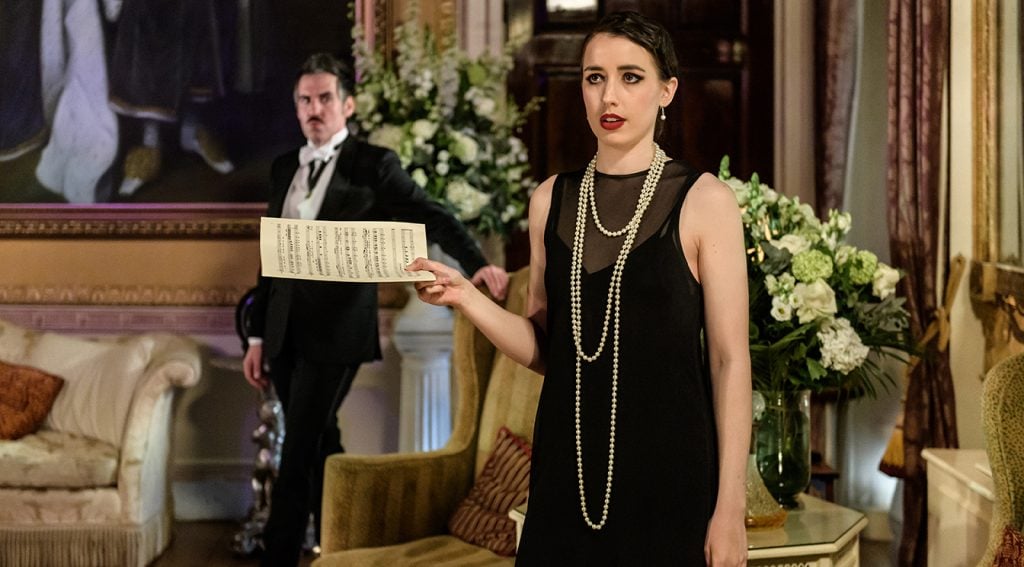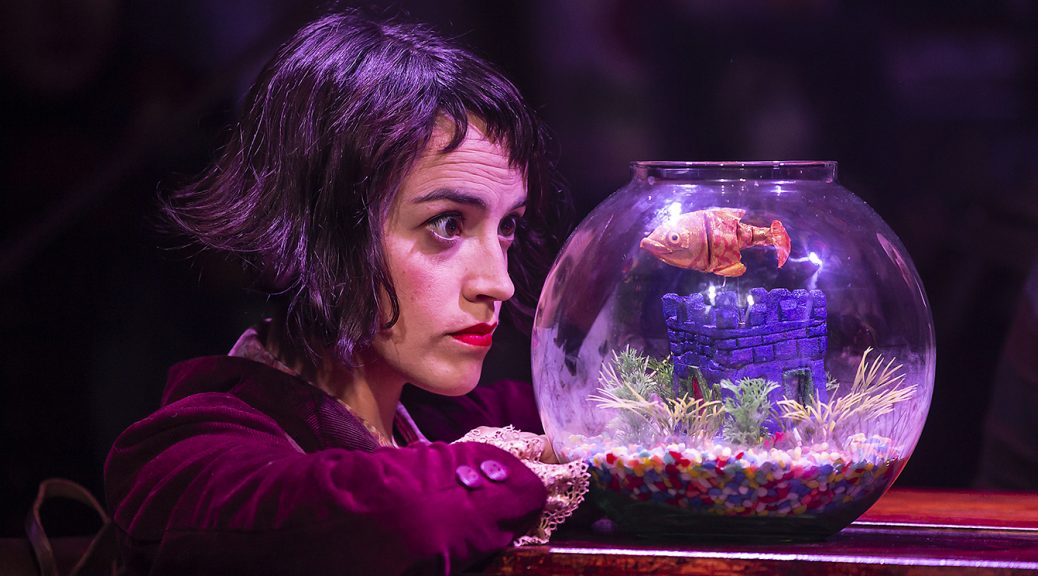
“Cells” from Metta Theatre

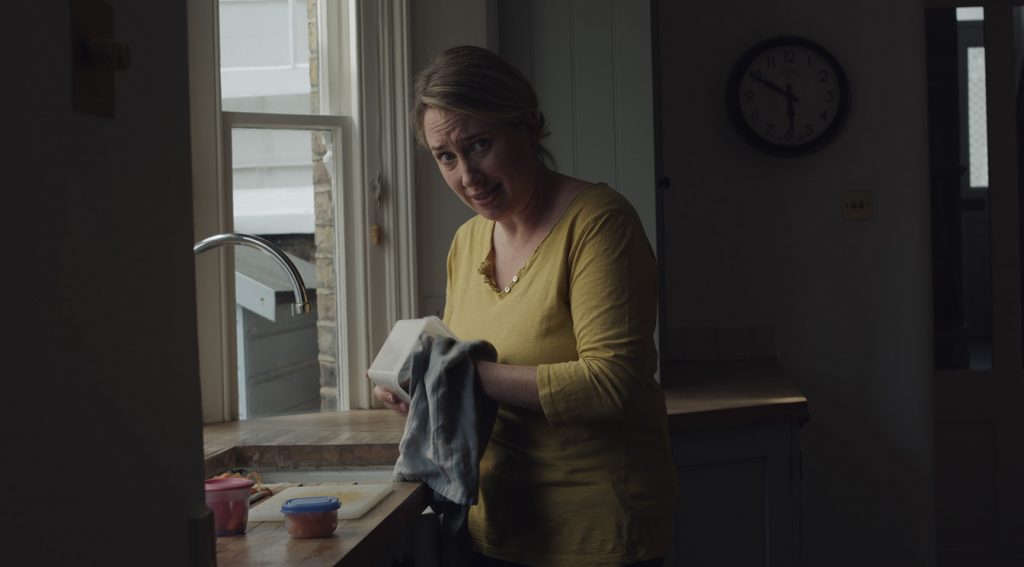
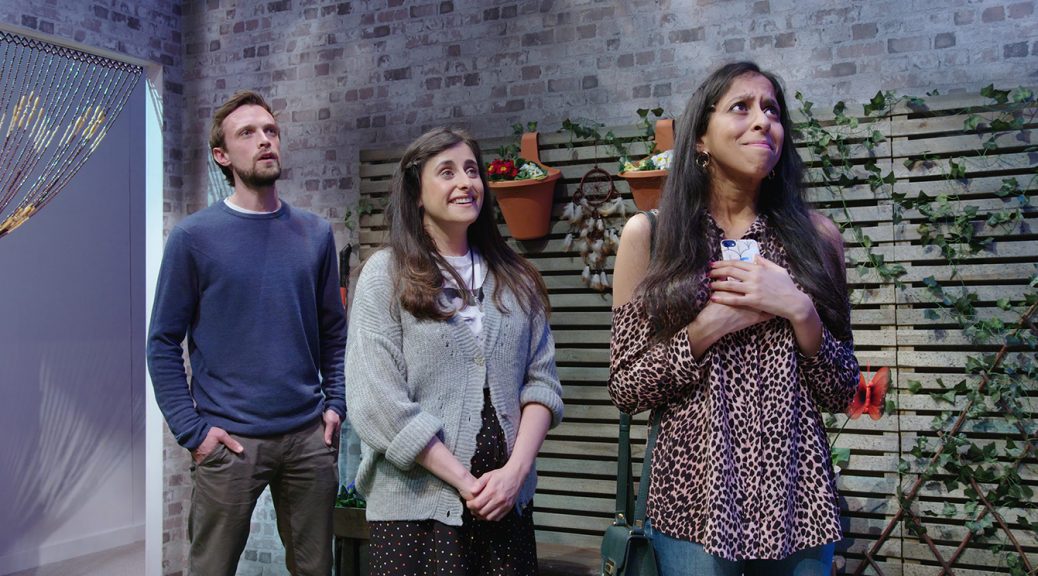
After a long year of watching theatre online, and as venues are planning to reopen, this new musical film illustrates how much has been learned about presenting work in a different format. A collaborative effort from Metta Theatre, Royal & Derngate Northampton, Queen’s Theatre Hornchurch and the Stephen Joseph Theatre, the show fits online perfectly.

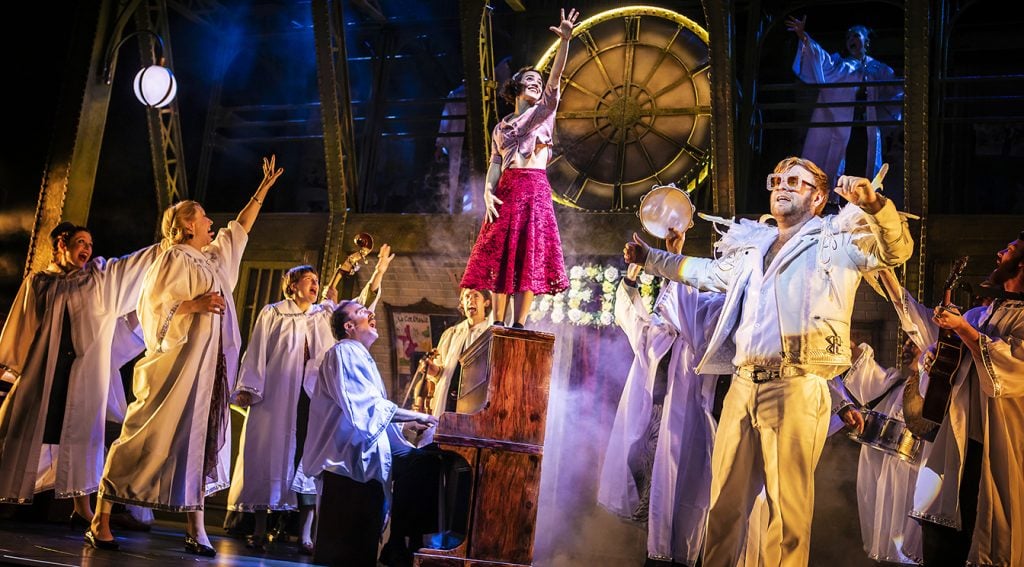
Although Cells is now available to watch in one go, the show was released daily and designed with that in mind. Written and directed by P Burton-Morgan, the five-minute films amount to a song cycle of strong numbers that provide a daily hit for music lovers. The score is adventurous, with lyrics that have a natural feel. The production quite literally made my day… every day!

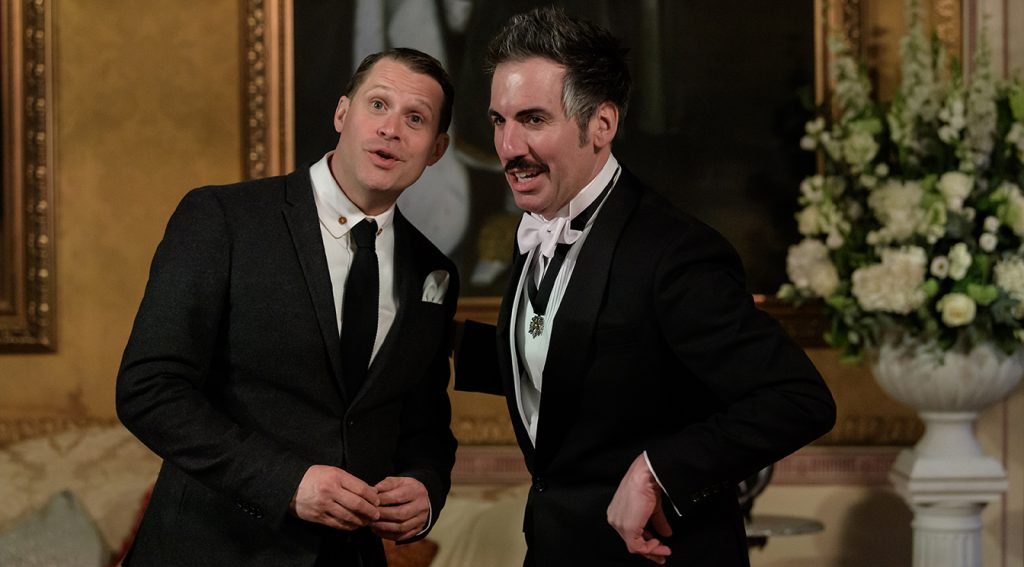
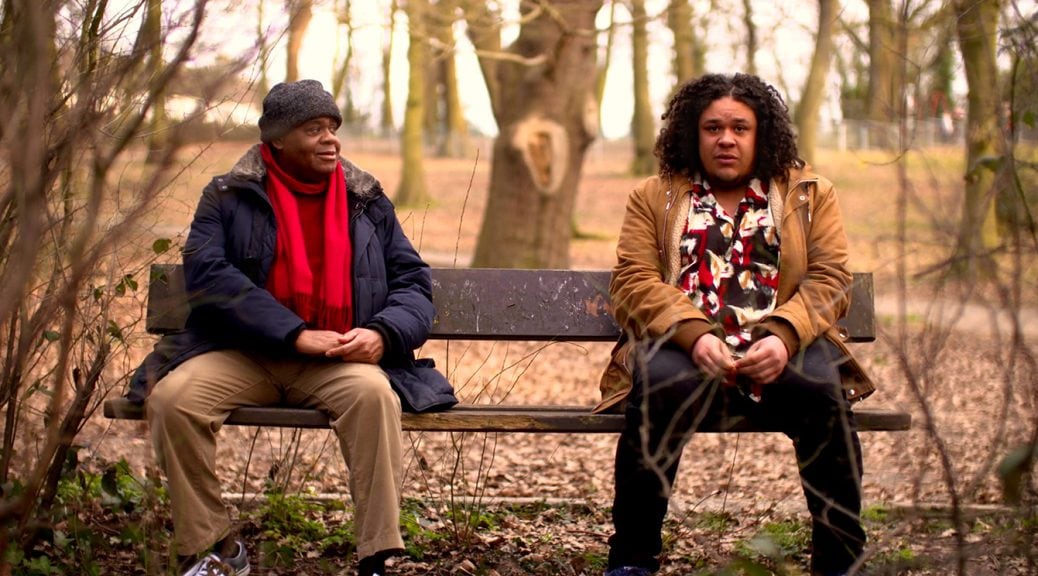
The simple story of family relationships has plenty of original touches – a little bit of science goes a long way – with a young student meeting a lab technician who turns out to be his father. These are great roles for Lem Knights and Clive Rowe, who both sound fantastic. Along with Burton-Morgan, the performers deserve acclaim for taking us so close to complex characters so quickly.

If elements of the scenario don’t quite convince (the pair knowing each other online as well as having a chance encounter is confusing), the emotions explored are always sincere. Getting to know their insecurities and fears, as well as hopes, is thoroughly convincing. There is a realism to Burton-Morgan’s lyrics that further enforces the show’s distinct tone.

Although the scenes are small in scope, there’s no sense of them being limited. Each of the films has a sharp focus and is appropriately modest in ambitions so that the project as a whole works superbly.

www.mettatheatre.co.uk/cells

“The Motherhood Project” from the Battersea Arts Centre

This online festival of 15 films tackles a huge topic with appropriate variety. Contributors include well-known writers and strong performers. Expertly curated by Katherine Kotz, here diversity is the key and the range of ideas, opinions and styles is impressive.

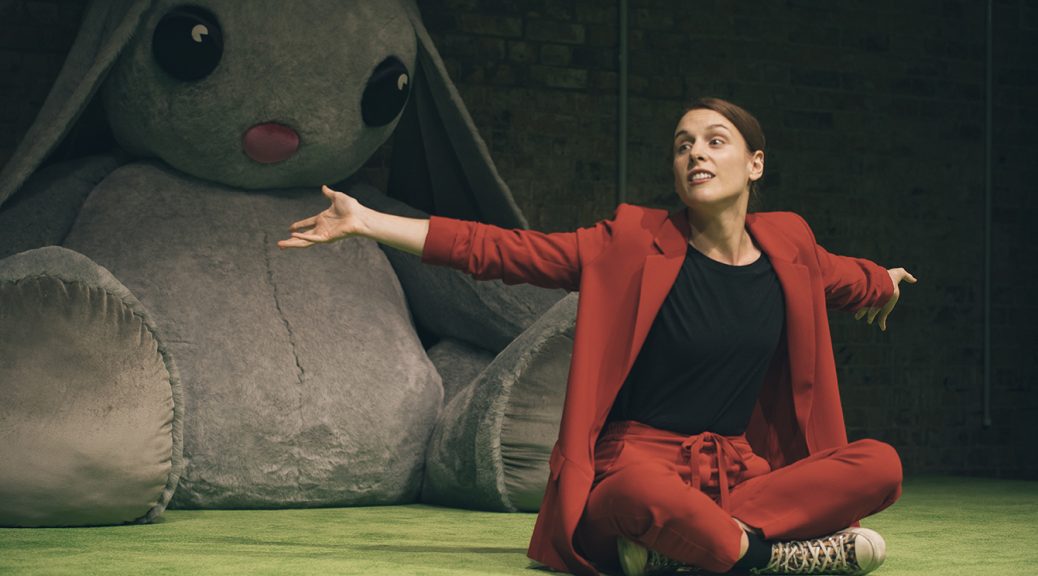
Highlights include Inside Me a short monologue from Morgan Lloyd Malcolm of Emiliafame. Frank and funny, a multi-tasking mother (is there any other kind?) talks about her changing relationship to her body. Tackling pelvic floor exercises, aided by “gentle understanding” from her doctor, the sketch is wonderfully performed by Jenni Maitland. 

Jenni Maitland in Inside Me part of The Motherhood Project
Jenni Maitland in “Inside Me”

Poetic evocations of pregnancy and motherhood are provided by Hannah Khalil (accompanied by two strong films) that address a child about to be born and an adult. The epistolary A Letter to My Baby from Anya Reiss also addresses a child in a riveting dense text whose writer freely admits her fantasies and deceitfulness.

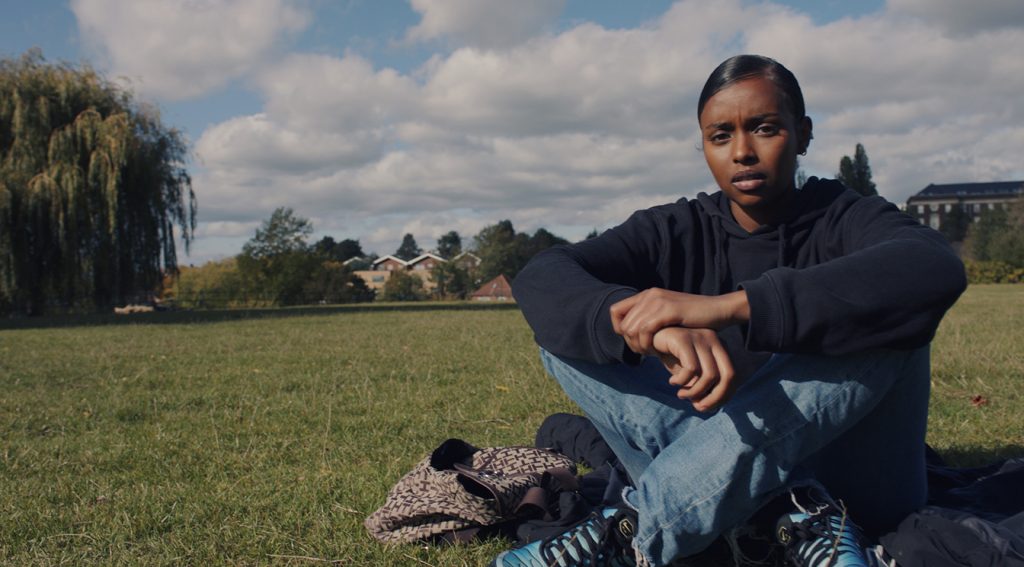
There are plenty of other perspectives, too. Suhayla El Bushra’s Baby Yoga has young Shireen (Tsion Gabte) dealing with how her friend’s life has changed now she has a baby. There’s a keen eye on class here that has lots of potential to be expanded. And EV Crowe’s contribution, Number 1, shows the opinions of a young man (Landry Adelard) in trouble at school that’s ultimately rather sweet. Perfectly contained, it is another piece that could easily grow.

Tsion Habte in Baby Yoga part of The Motherhood Project
Tsion Habte in “Baby Yoga”

Short talks from Athena Stevens, Juno Dawson, Lemn Sissay and Siggi Mwasote vary the pace and provide plenty more to think about. But it’s Katherine Kotz’s own show that I enjoyed most – The Queen’s Head is full of wicked humour and challenging thinking. Performed exquisitely by Kotz herself, this Zoom meeting rant is from a character who is not maternal (after all, Michael Gove was a baby once). The humour and intelligence in the piece confirms that there’s something for everyone in this project.

www.bac.org.uk

Until 2 May 2021

Photos from Drift Studio

“The Importance of Being Earnest” from the Lawrence Batley Theatre and The Dukes

This super show from Yasmeen Khan is only loosely based on the Oscar Wilde classic. It is a strong play that stands on its own, while knowledge of the original adds humour. Much of the fun comes from relocating the action ‘up North’ – what a great idea – but there’s plenty of intelligent satire, too.

Staging act one on a film set is a neat way of dealing with Wilde’s engagement with themes of artifice and style. Here, Algy and Jack – now Jamil – are both actors. While Tom Dixon and Gurjeet Singh do a good job in the roles, it’s a small shame Khan decided not to follow Wilde and make both characters equally witty – the point about access to such careers would still stand. Instead, Jamil is endearing rather than amusing.

As with the recent version of Wilde’s The Picture of Dorian Grey from Henry Filloux-Bennett, social media plays a big part in the show. Khan raises good points and gets some jokes from her concerns. Jamil is a vlogger, under the pseudonym of Earnest of course, and his love interest, rechristened Gul, is glued to her phone, which makes the role rather flat (despite Nikki Patel’s efforts). Zoe Iqbal’s Safina, with her self-realisation and “manifesting”, is very funny. But both female characters seem weaker than the ones Wilde wrote, their scene together is disappointing.

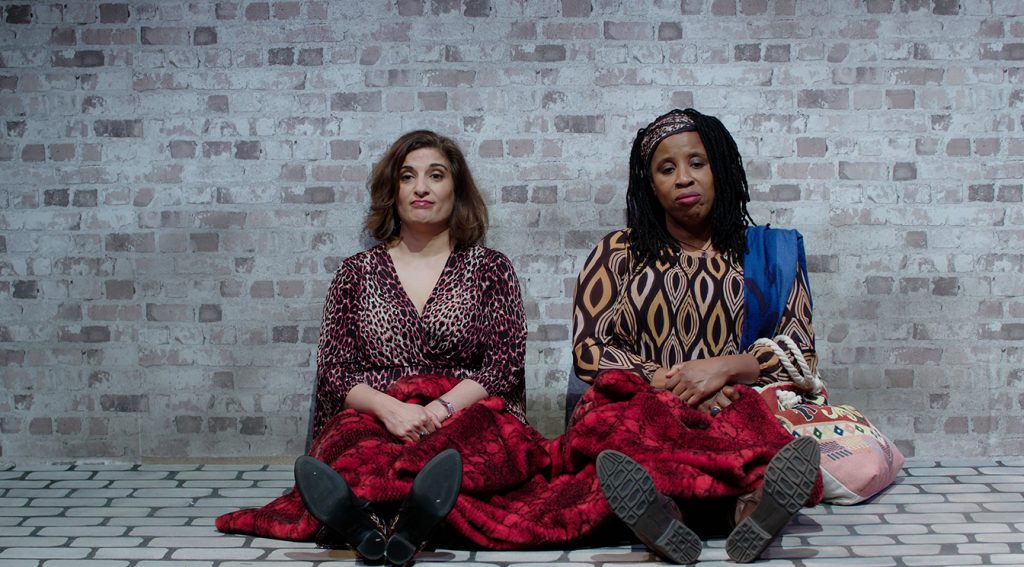
Mina Anwar and Melanie Marshall in The Importance of Being Earnest
Mina Anwar and Melanie Marshall

It is with smaller roles that the show takes off. Both Miss Prism, a life coach, and Lady Bracknell, or rather Ms Begum, a hard-nosed businesswoman, make strong roles for Melanie Marshall and Mina Anwar (who also directs). There’s a lovely cameo appearance for Divina de Campo and a good part for Harriet Thorpe as Algy’s agent. Best of all is the appearance of a director, and the performance of this new role from Paul Chahidi. Wanting to workshop with Jamil, excited by his dropped aitches and the “pain” of his heritage, such sharp satire takes us to heart of Khan’s concerns.

Comparisons to the source material are only part of the story. Kahn hasn’t just set the action in a different place. By including characters of South Asian descent – with a wicked sense of humour – she raises plenty of issues and claims her own voice, showing style and substance at the same time. I’m sure Wilde would approve.

Until 4 May 2021

www.importanceofbeingearnest.com

“Safe” from The Hackney Empire

Highlighting the shocking statistic that a quarter of homeless and at-risk youths identify as LGBTQ+ is the laudable aim of this theatrical work created and directed by Alexis Gregory.

Safe is a verbatim piece with the words of four contributors – Jack, Samuel, Alicia and Tami – performed by Elijah Ferreira, Taofique Folarin, May Kelly and Mary Malone. Judiciously given equal consideration, all four are carefully shown as individuals and not just representatives of their sexuality.

These lives have not been easy. Hearing about them can be a challenge and many questions are raised. Abuse at home and school unites all four. There is a distressing amount of physical violence. Drugs and drink play a part too: Alicia’s account of her alcoholism is particularly forceful.

Gregory is smart to make sure we get to know the four before we learn about their housing problems. It’s important to see how ‘homelessness’ is more complex than the issue of sleeping on the streets. Support, in particular from the Albert Kennedy Trust, thankfully kicks in. Homes – in a profound sense – are a part of a wider support system.

For all the troubles Safe is a positive show. The spirit of this quartet shines out. Moments when the actors double as other characters (mostly parents) are well done but might be unnecessary? The words of the subjects are powerful enough without another layer of performance. Frankness, honesty and Jack’s emphasis on the joy of his transition into a man (a particularly welcome narrative) show four survivors who inspire.

Gregory’s finale for the show is strong. Including a poem from Yrsa Daley-Ward that mentions “many possible ends” the four begin to address one another. Discussing how they feel about being interviewed enforces the theme of testimony. It’s possible to see what part the very act of representation might play towards safety itself.

www.hackneyempire.co.uk

Photos by Jane Hobson

“Cruise” from stream.theatre

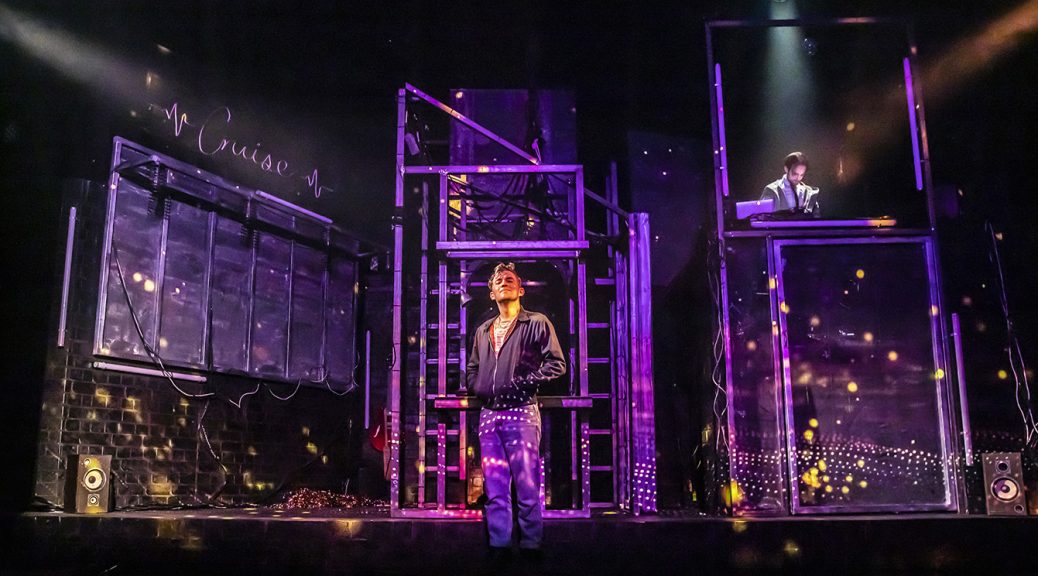
A strong performance from the talented Jack Holden is the highlight of his self-penned monologue. Cruise is an Aids drama and a panegyric to a lost Soho that is uneven but admirable.

Through the framework of a telephone call to London’s Switchboard helpline, we hear the story of Michael – a “veteran” survivor of HIV – told to young Jack. It’s a sensible device that forms a connection between generations of gay men, and Holden performs both roles well. Regrettably, the younger character is unconvincing and naïve.

Michael’s story, however, is fascinating. As one of the first to contract HIV, after a doctor tells him he has four years to live, he believes his days are literally numbered. Determined to live “wilder than before”, he takes a tour of Soho in the 1980s, which includes a vivid cast of characters that allow Holden to shine.

The pace – if not the delivery – is frequently breathless, which proves tiring in a long monologue: more control is needed from director Bronagh Lagan. And, while the use of songs within the story is strong, John Elliott and Max Pappenheim’s sound design is uncharacteristically overpowering.

The writing conveys a strong sense of place and it’s entertaining to meet drag queen Jackie – a “smashed mirror of femininity” – as well as Lady Lennox with her “origin story tombola”. Holden has some interesting, if studied, turns of phrase that save a script with a few too many clichés. It’s a shame that attempts at humour aren’t more successful.

The script’s patchy quality comes to the fore when Holden deals with the club scene. Sections that show Michael’s love of music are excellent: the energy and poetry are phenomenal, the filming superb and, if you’ve missed dancing during lockdown, these passages will articulate why.

The rest of Holden’s history lesson is competent but lacking the same passion, even with moments – such as the death of Michael’s partner – that should be moving.

The filming of Cruise, using lots of space in Shoreditch Town Hall and including Jai Morjaria’s lighting design, is one of the best I’ve seen during lockdown. But it’s still a relief to know that a stage production is planned – at the Duchess Theatre from 18 May. This online screening, so close (hopefully) to a return to the stage, could serve as an interesting comparison. I wouldn’t be surprised if a live performance of Holden’s calibre irons out some reservations and it is certainly something to look forward to.

Until 25 April 2021

www.cruisetheplay.co.uk

“Outside” from the Orange Tree Theatre

Following the show titled Inside last month, this companion set of three short plays comes as the Richmond venue’s return to live theatre is announced. Starting with a couple of Bernard Shaw pieces, on the 22nd of May, an exciting year ahead is planned. It’s still a wait but at least this weekend you can show support for the venue online.

Two Billion Beats

First we go outside to a school playground. Sonali Bhattacharyya’s play has two young sisters, Asha and Bettina, discussing bullying and racism. Zainab Hasan and Ashna Rabheru are excellent in the roles. The quality of the writing is indicated by how vividly a teacher, Mrs L., who never appears, is depicted. With plenty of insight, this is a piece that leaves you wanting more. It’s a shame the production ran into technical difficulties towards the end.

Robinah Kironde and Fiston Barek

Prodigal

An estranged son in Kalungi Ssebandeke’s play returns to encounter his sister, after his mother’s death, and the action takes place at the door of their family home. The drama arrives quickly and is effective. Expanding the action to a conflict over a life insurance policy has potential. A complex history of immigration is explored sensitively while issues of masculinity are also raised.

I wonder if Fiston Barek’s performance as the titular character might include more sinister touches? We’re told of anger and “a cartoon image of what a man is” but see mostly charm. Opposite him, Robinah Kironde does an excellent job: her character is hurt and frustrated in equal measure with touches of confusion.

Those technical hitches resulted in this piece, wisely, starting again at one point. And I should add that I’ve promptly been given the chance to see the shows again. But as if another reminder were needed, it does make you miss a real-life experience. Even looking at a safety curtain when there is a problem is better than a notice on a screen.

Temi Wilkey at the Orange Tree Theatre Richmond
Temi Wilkey

The Kiss

The evening concludes with a monologue from Zoe Cooper that looks at recent experiences. Getting to know the character of Lou, ably performed by Temi Wilkey, is a treat. Moving out of town, Lou and her partner end up struggling with life under lockdown. Getting to know the neighbours, taking up new hobbies and behaving…a little…strangely are all included. It is possible that The Kiss could be funnier. But Lou’s reassessment of her life and future goals will surely resonate with many. The show is full of detail and admirably low key, like all three pieces it illustrates fine work on the part of director Georgia Green.

Until 17 April 2021

www.orangetreetheatre.co.uk

Photos by Ali Wright

“Playfight” from the Finborough Theatre

Julia Grogan’s provocative new drama is the exciting winner of the ETPEP Prize and has been given an online rehearsed reading that downright demands a full production soon. A startlingly bold coming-of-age story with very serious concerns (and extremely frank content), Playfight comes close to a jeremiad and must be any parents’ nightmare.

The play’s three school friends talk bluntly about sex, death, love and religion. There’s humour of a kind here, although deadpan responses are relied on too much. First loves and a deep desire to work out what is “normal” prove touching. And it’s never in doubt that the characters of Kiera, Zainab and Lucy are “full of promise”. That potential is a fact that makes the play extremly depressing.

As well as orgasms and excitement about the future, it is the issues Grogan highlights that dominate. And these are truly shocking. Alongside teenage troubles with faith and sexuality (we expect that, right?) relationships to sex are seriously skewed. The acceptance of hard-core pornography and violence is disturbing. “Shame, blame and guilt” don’t just belong to Lucy’s church. Self-harming, homophobia and alcoholic parents seem almost tacked on as a grim backdrop to everyday life – it is physical violence that destroys all three young lives.

The performers – Robyn Cara, Hannah Millward and Helen Monks – work wonders with their character’s emotional ups and downs. There’s no lack of drama, so the generally underplayed tone and tight control shown in Blanche McIntyre’s direction are essential. Extra credit, of course, comes from the fact that the performers are working in isolation. Even though the piece has plenty of scenes that are phone calls, it’s impossible not to imagine how much more effective it would be – let’s hope will be – on a stage.

Playfight isn’t perfect. A central motif of an oak tree is over-burdened metaphorically and an attempt at basing some metaphysical speculation around its age fails to convince (although I’d love to see what a set designer could add). The much-discussed small-town setting is too vague, so what impact this might have had on the characters gets lost. The powerful energy in the play escalates with such rapidity that conclusion lacks control. But maybe that was the intention? Grogan’s work left me uncomfortably breathless and a play this urgent, aiming to spark so much debate, deserves a wide audience.

Until 8 April 2021

www.finboroughtheatre.co.uk

“Talking Gods” from Arrows & Traps Theatre

Reimagining Greek myths is not new. But if this first show of an online season is a benchmark, then theatre lovers are in a legendary treat. The creative compulsion to retell old stories for our times – in this case, Olympian gods in the modern world – is forcefully present, here. And the retelling is both thought-provoking and entertaining.

The first myth up is that of Persephone and the focus, I’d argue, is maternity: we hear most from the young girl’s mother, Demeter, and aunt, Hestia. Framing the story around motherhood and family proves moving and makes the myth very much about women (the men we hear from remind us that toxic masculinity is nothing new).

Behind a strong concept, writer and director Ross McGregor’s script does a heavenly job. Full of effective imagery, there’s a neat balancing of incredible events with a contemporary sensibility. And a good deal of humour… why not? Updating the story provides fun touches: Hestia runs a website called hearthandhome.com and these gods have Instagram accounts.

McGregor doesn’t shy away from making his gods suffer (if social media is involved, you know that’s coming). And he makes them scary at times. Generational battles and current concerns are both evoked but with a consistently light touch that aids the creation of compelling characters.

Demeter, now an eco-warrior who wants radical action, doesn’t have much patience for the younger generation – she’s had things tougher (how about a support group for people who have been eaten by their father?). And she also has some sensible ideas about soup. Meanwhile, Hestia is a modest character of enormous appeal. And if Persephone herself seems a little too naïve (the editing slips here), her treatment by Apollo is heart-wrenching.

Nicolle Smartt in Talking Gods

The show has a true star in its performer – Nicolle Smartt. Playing all three roles, taking full advantage of McGregor’s characterisations, she ensures each is clearly delineated and equally compelling. It is hard to believe it is the same woman in each part. Hearing the views of all three, each perspective is made thoroughly convincing. Such a strong performance should not be missed.

Four more coming up

The stories of Orpheus, Pygmalion, Aphrodite and Icarus are still to come, with a show every night at 7.30. The cast list is impressive and, with the ambition of focusing on issues that have come to the fore during lockdown – and if McGregor maintains such firm control – the project has huge potential. Enjoy the week.

Until 9 April 2021

www.arrowsandtraps.com/talkinggods

“Inside” from the Orange Tree Theatre

Joining the list of theatres streaming shows live, this offering from Richmond is a high-quality affair. A better-than-most monologue and two two-handers show three different approaches to stories about the Covid-19 lockdown.

Guidesky and I

This smart script by Deborah Bruce is a superb vehicle for the wonderful Samantha Spiro. Acknowledging how difficult this past year has been, the character of Diana is clearing out her deceased mother’s home and trying not to “unravel” at the same time. With some excellent sound design from Anna Clock, an elegant stream-of-consciousness monologue increases in tension throughout its half-hour duration. It’s clever to make Diana an unappealing character who’s short-tempered, stressed and angry (I’m sure we can all recognise some of this in ourselves of late). A problem with an online order, which holds the piece together admirably, proves startlingly effective and surprisingly moving.

Ishia-Bennison-inside-at-the-orange-tree-theatre
Ishia Bennison

When the Daffodils

Joel Tan’s piece is less successful, although there are strong performances from Ishia Bennison and Jessica Murrain, who do well to hide a mawkish tone. Small pleasures and the importance of the caring profession are handled well enough. But Tan elaborates into a poorly sketched dystopian future where a “consensus” has resulted in older people quite literally imprisoned in their homes. It’s easy to see where the thinking comes from and, although there’s surely a debate to be had around such a topic, Tan’s contrived twists add confusion rather than substance.

Inside-from-the-Orange-Tree-Theatre-credit-Ali-Wright
Fisayo Akinade and Sasha Winslow

Ursa Major

For more big topics highlighted by Covid-19, Joe White has a young man with OCD in conversation with a “houseless” woman. If the backstories about Jay and Callisto aren’t quite convincing, the performances from Fisayo Akinade and Sasha Winslow are fine and the characters themselves likeable. White ticks boxes about lockdown life, and he does it well, with an underlying challenge about “normal interaction” that is sharp. Dark energy provides an impressive and effective metaphor throughout and there’s some welcome humour. Moving away from the theme of lockdown to think about distance more generally (well done!), White even provides a sweet ending.

Outside

For all the shows, the direction from Anna Himali Howard deserves high praise, as respecting the tone of each writer benefits the event overall. United by an “underlying feeling of unease”, at times excessively, it’s no surprise that Inside isn’t cheerful. But each playwright has managed to reflect our times. Maybe things will perk up for the second programme (15-17 April) when the theme, like us, moves away from our homes?

Until 27 March 2021

www.orangetreetheatre.co.uk

Photos by Ali Wright

“Scaramouche Jones” from stream.theatre

This revival of Justin Butcher’s 2001 play affords the opportunity to see an intriguing and acclaimed text. The “long and weary” life of its centenarian character, a famous clown, of course, recalled on the night of his death at the end of the 20th century, is a compelling yarn that balances elements of the fantastic with weighty concerns. 

Scaramouche’s life is colourful, to say the least. But it is also one filled with trauma and pain. His birth in a brothel in Trinidad, his life as a snake-charming slave and eventual arrival as an immigrant in Britain show us a world where people “mingle and co-mingle”. The globe-trotting Scaramouche covers a lot of ground.

As a consideration of Privilege, with a capital P, the character’s complexion (without make-up) proves a fascinating motif. Jones’ skin helps him in bizarre and unexpected ways. His whiteness saves his life. But note, it is also a mark of pain: frosted tears, white sand and lime from burials all contribute to the “seven white masks” that are the play’s subtitle. Start your debate.

The text is full of vivid images and incredible characters. Scaramouche’s mother, the “charming villains” he meets, and the “beggars and invalids from the four corners of the globe” create the world picture Jones aims for. And such a vast canvas makes the play a tricky one to perform.

To describe this particularly ambitious monologue as competent is not faint praise. Director Ian Talbot’s presentation is clear and concise. But the use of sound effects is overplayed – they add little to the descriptions of events. And both Talbot and his performer, Shane Richie, try to inject energy unnecessarily. Along with lots of accents of, erm, variable success, Richie’s delivery becomes grating, his sense of rhythm too monotonous.

Richie does rise to the play’s central scene. Scaramouche’s time in a concentration camp is a strong moment for all. Nailing the emotion and ambiguity of the play’s hardest, and best, scene becomes an unforgettable moment. It’s as a grave-digger that Scaramouche, incredibly, discovers his ability to make children laugh. His big picture approach ensures these ‘tears of a clown’ are peculiarly original, poignant and thought-provoking. 

Until 11 April 2021

www.stream.theatre

Photo by Bonnie Britain