“Little Wars”: a rehearsed reading

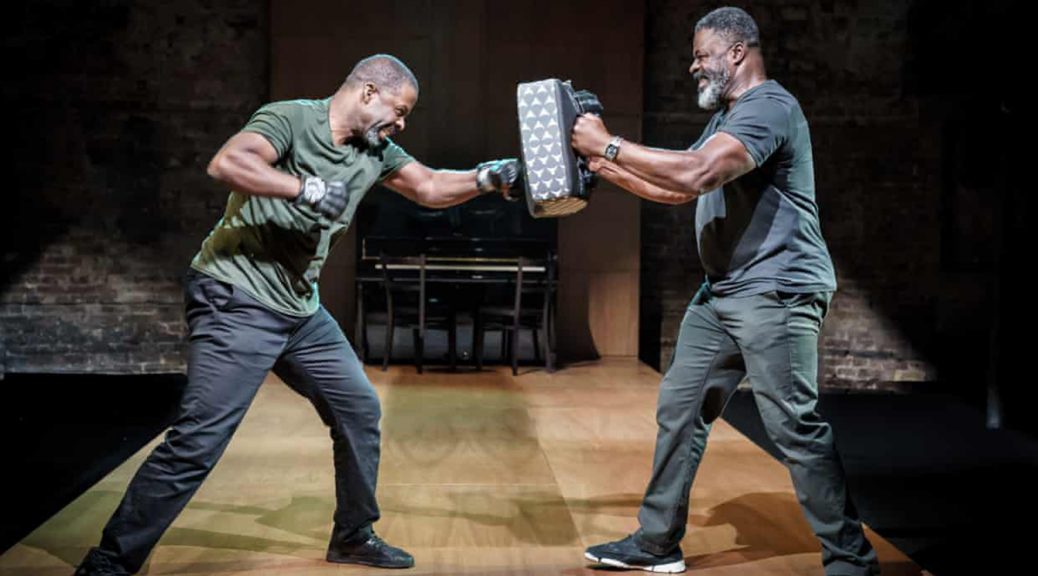
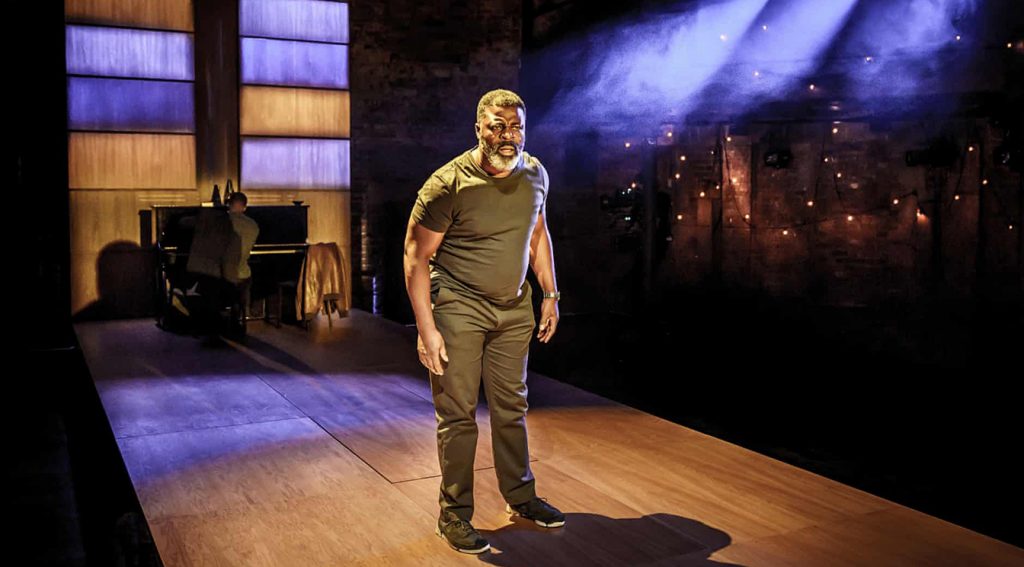
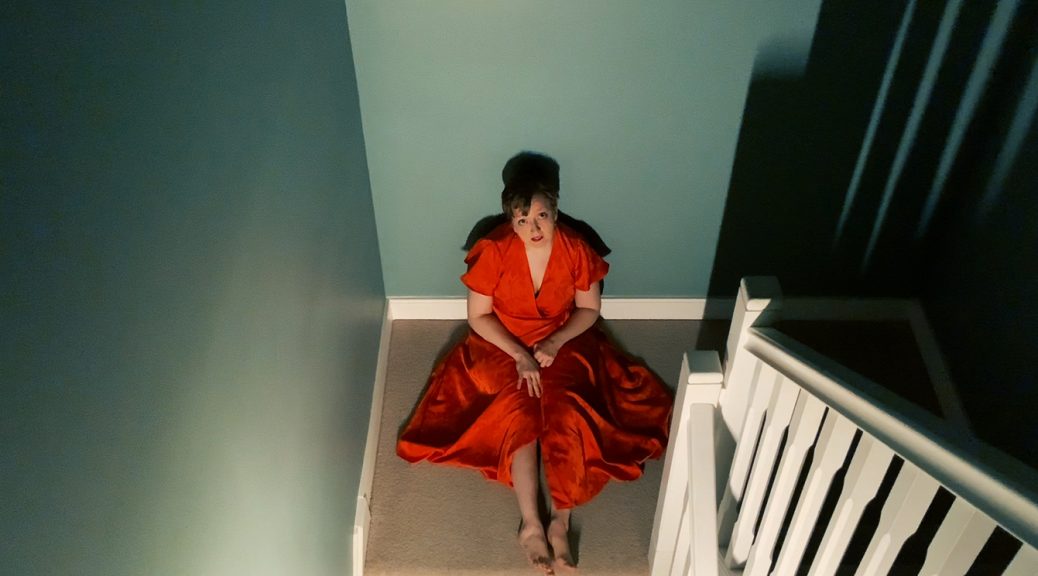
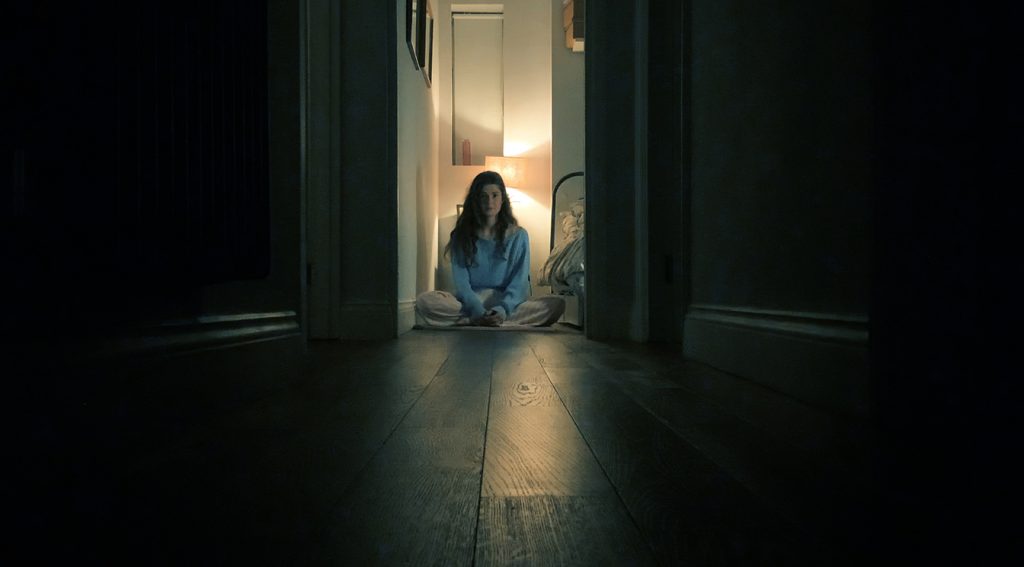
As a second lockdown begins, there’s still a chance to get close to quality theatre, even if it is online. It’s hard not to be grumpy, though. This rehearsed reading of Steven Carl McCasland’s play makes it painfully obvious how much better a staged production would be. Nonetheless, the history in the piece is interesting and the event boasts an excellent cast.

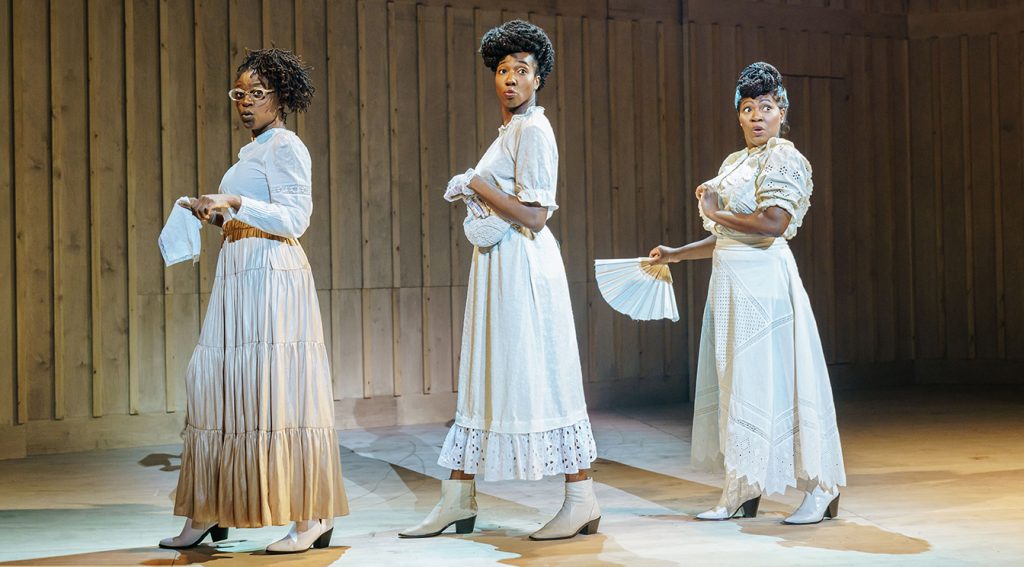
Set in the home of Alice Toklas and Gertrude Stein, the scenario at first is a dream dinner party or, rather, soirée. Lillian Hellman, Agatha Christie and Dorothy Parker are going to pop by. There’s plenty of wit as well as friction to entertain, led by the somewhat dotty old couple who are as eccentric as they are erudite.

Little Wars quickly takes a more serious tone as a war-time spy drama. Toklas and Stein’s final guest is the brave Muriel Gardiner, who smuggles refugees out of Germany on the very night France surrenders. She’s a fascinating character, capably depicted by Sarah Solemani, so it’s a shame that the role feels like a forced foil – a too obvious moral conscience for the play. Unfortunately, McCasland’s plotting is slow, a flaw director Hannah Chissick cannot disguise, as well as heavy handed.

The superb cast adds some sophistication. Debbie Chazen makes an excellent – drunk – Dorothy Parker (tricky on stage, let alone online). Juliet Stevenson is fantastic as the steely Hellman, a role that, like a too-aloof Christie (Sophie Thompson) needs further development. The real treat comes with our hosts. Ably supported by Catherine Russell as Toklas, Linda Bassett’s performance as Stein is astonishing. Full of fury as much as fun, this “rare kind of bird” is dignified, frightening and inspiring. Bassett makes Stein’s poetry sound natural and the way her cold anger is carefully exposed is brilliant.

It’s no surprise that the evening’s conversation never lacks drama or interest. The talk is crammed with detail about the women’s lives that shows a lot of research. It’s fascinating, but McCasland does not wear his learning lightly. A bigger problem comes with efforts to expand from specific biography to broader experiences. There are highlights: a preoccupation with memory arising from Stein’s potential dementia is very moving. But the battle of ideas that McCasland tries to set up as his finale – with Christie and Hellman coming across as downright odd – falls very flat. At least there’s some fantastic acting to enjoy along the way.

Until 8 November

www.littlewars.co.uk

Photo by john Brannoch

“I Wish To Die Singing” from the Finborough Theatre

The November online offering from Neil McPherson’s venue is his own piece about the Armenian Genocide. With the help of director Tommo Fowler, the theatre becomes a classroom and a place of campaigning as the audience is given a history lesson and left with a call to action.

The past first. McPherson’s use of eyewitness reports to events in Turkey in 1915 is skilled, showing just enough of life before the atrocities. Suggesting a flavour of the rich Armenian culture, the voices of children are balanced with those of adult survivors looking back.

The best deliveries come from Bevan Celestine, Tamar Karabetyan and Kate Binchy (especially strong as a missionary) who each bring a tear to the eye more than once. It should be stressed that much of what we hear is stomach-churning. Quite rightly, McPherson does not shy away from detailing the swift, sudden massacres or the “hopeless exile” of a “relocation” Armenians were forced to make – walking into the desert to their deaths.

McPherson and Fowler understand context is especially important when dealing with a subject matter less well known than it should be. Their solution is highly effective: the whole show is led by Jilly Bond, who plays an approachable narrator capably filling in details.

As for the history, I Wish To Die Singing aims to be more than a lecture in a theatre. Debate about the definition of a genocide leads to roll call of countries that recognise what happened and those that refute facts. Adding commentary up to the date of recording, including insulting tweets the theatre received, brings an immediacy to the show that can still be sensed.

Until 31 December 2020

www.finboroughtheatre.co.uk

Photo by Doug Mackie

New Perspectives Theatre

Never short of novelty, the coronavirus lockdown has seen theatre makers more inventive than ever. New productions, such as those from The Original Theatre Company, and plenty of podcasts, such as Seeds, might have been expected. But there have also been installations, at the Donmar, and numerous live streams embracing Zoom. And here’s a particularly fun example of embracing technology from East Midlands-based company New Perspectives – the first drama I’ve come across on WhatsApp.

Stay Safe

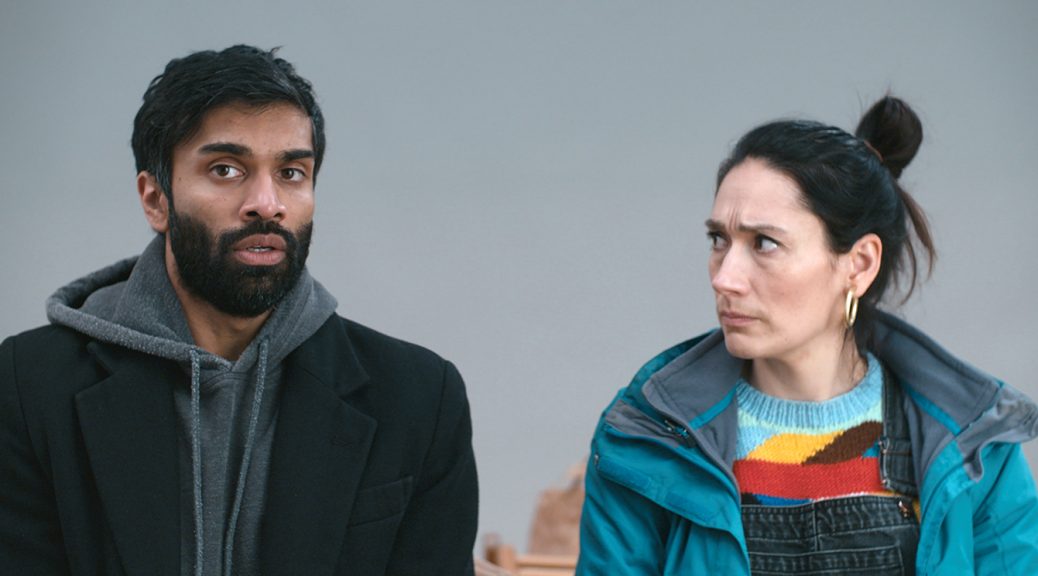
Billed as a treat for Halloween, the scenario is simple. We are given access to a WhatsApp group for parents whose children go to the same school, one of whom asks about an unknown Mr Mathers that their child has been talking to!

As the story progresses, trying to track this character down, it has to be admitted that the content isn’t original. The piece is working within a genre after all. But it works well. If the twists aren’t unexpected, they manage to raise a smile.

A little spoiler as an example…that it turns out you and the group might be fooled about who is really texting isn’t a huge surprise. But it is an effective use of the format and a smart point; seeding suspicion and menace as well as raising the issue of online security.

Is it scary? So, so…I confess I didn’t want to watch the video clips in case I saw something! But more impressive is Jack McNamara’s writing for this novel format. ‘Eavesdropping’ on a group who aren’t quite friends proves funny. And McNamara turns the action dark and tense with ease. The characters, especially Phil and Meena, become clear and distinct. Correcting their mistakes or faux pas and using emoticons builds up personalities with surprising success.

It is traditional writing skills that really make Stay Safe a success and, as an experience, it’s engrossing and easy to recommend.

More from New Perspectives

There are more good ideas, too, with an eye on festive presents for theatre lovers. New Perspectives has worked with six renowned theatre names to produce limited edition Christmas cards that “reimagine traditional yuletide messages”. And their ‘show’ from earlier this year, Love from Cleethorpes, will also be available again – another different format for drama, this time a play on a series of postcards!

www.newperspectives.co.uk

“Howerd’s End” at The Golden Goose Theatre

As you’d expect from a show about the legendary comedian Frankie Howerd, Mark Farrelly’s play has lots of laughs. The material, after all, is excellent. But, as a gay man in the public eye before the decriminalisation of homosexuality, Howerd’s story is more than just fun. With a clever twist and psychological insight, Howerd’s End is moving as well as funny.

Farrelly’s script works hard. I suspect it has been long in the making. Covering “sex, death and existential philosophy” is a lot on top of the biography. Ultimately, only two out of three succeed – fanciful digressions on time and mortality prove far-fetched and self-consciously poetic. Whimsy is what we want, but it doesn’t mix well with Weltanschauung.

Thankfully, when it comes to Howerd’s loves and legacy the piece is excellent.

The clever move is to make the play as much about Howerd’s partner, Dennis Heymer, as the man himself. The comic is a ghostly visitation the other can command. Making demands that would never have been met during their life together results in time travel through a difficult relationship. Farrelly knows the “broken-hearted clown” story is too common ground (although Howerd’s troubles were particularly dark). So, we are given a hero in Dennis who energises the play, being free of Howerd’s self-loathing and angry that a fear of intimacy has blighted life.

As for the delivery of this, often painful, love story – it really is superb.

Simon Cartwright’s impersonation of Howerd is remarkable. For a time I wondered if an uncanny physical resemblance was the key but it’s really down to mannerisms being spot on. Like his subject, Cartwright can make you titter with just a raised, suitably bushy, eyebrow.

Howerd could work a crowd like nobody else. Everyone here, including director Joe Harmston, has learned lessons from him. But none so more than Farrelly, who also takes the role of Dennis and draws in the audience expertly.

In character, Farrelly holds his own for comedy but adds an exasperation that raises the drama. That the men had the “tools for joy” in their lives, yet were not happy, isn’t played for innuendo – it’s simply very sad.

As a writer, Farrelly uses the audience, too, drawing us into a final fantasy that is sweet and romantic. Brilliantly, we all end up cooperating as witnesses… to a happy ending for Frank and Dennis that has a funny magic all its own.

Until 31 October 2020

www.goldengoosetheatre.co.uk

Photo by Jacky Summerfield

“Next Thing You Know” at the Garden Theatre

Shows about youth aren’t unusual, but a coming of middle age musical makes a nice change. Approaching their thirties, the characters in Joshua Salzman and Ryan Cunningham’s piece want to be “less young” and are already hungover from their twenties…poor dears.

The hopes and fears, and a sense of surprise, about growing older that are presented are interesting enough. Cunningham’s book is clear. By accident or design, Next Thing You Know ends up the story of Waverly, a strong role for Bessy Ewa, a young woman deciding on her love life and whether to carry on trying to become an actor. If Waverley’s future decisions end contrary to expectations the piece is entertaining and amusing along the way.

Based around a bar on Sullivan Street, New York, Waverly’s friend Lisa provides a stand-out role for Amelia Atherton (who also gets the best songs). You could watch both women for a long time. Indeed, it’s odd we don’t get to see Lisa, a singer-songwriter, perform something she has written. But the men hanging around them are less appealing. Waverly’s wet boyfriend, who Nathan Shaw gets great comedy from, generates a little sympathy. But his salesman colleague has some oddly dated sexual politics – “shallow and sleazy” – that Callum Henderson’s best efforts cannot redeem. I’m not sure Waverly would really have much time for either man.

Next-Thing-You-Know-starring-Nathan-Shaw-and-Callum-Henderson-photo-NatLPh
Nathan Shaw and Callum Henderson

Rather sweetly, director Robert McWhir’s production has the super idea of casting graduates from 2020. A welcome move in a year so difficult for young performers, the whole cast are hungry to impress. They’ve clearly learned much from their training and McWhir’s evident skills.

The singing is good and serves Salzman’s credible music and lyrics well. In the mould of Jason Robert Brown, it would be nice to hear a richer sounding version of the score with more than a pianist and guitarist performing. There are fine tunes, but the lyrics sometimes make both comedy and sentiment effortful. More than once, lower stakes produce better results: a meditation on city life and a song about a one-night stand are highlights. 

Problems come with the show’s specificity; are the characters (not performers) convincing 28 year olds? You might think them immature. If not, you may wonder what their problem is and find them whiney. Both positions are exacerbated by the commonality and repetition of concerns – there’s lots of talk about signs and decisions. Salzman and Cunningham like a motif a little too much.

As well as more variety, it’s disappointing that Next Thing You Know collapses into a standard romance. And one dealt with far too briefly at that. It might be quirky that its characters embrace being ordinary… but it isn’t that inspiring! The solution seems clear enough – strengthen the suggestion that Lisa is pursuing her dream and develop the role as a foil. Just a little more work would have given the show a lot more weight. 

Until 31 October 2020

www.gardentheatre.co.uk

Photos by NatLPho

“Nine Lives” at The Bridge Theatre

Of the many recorded offerings during lockdown, Zodwa Nyoni’s play about a gay immigrant has been a highlight. Now this beautifully written, politically urgent piece has a short run as part of Nicholas Hytner’s season of monologues. And, Nine Lives is even better in real life.

The power of Nyoni’s writing was clear on the screen. Her character of Ishmael involves us in his struggle in a moving way while retaining a sense of humour. The issues around gay rights and immigration, looking at Ishmael’s past as well as life in his new home, are deftly handled.

Nyoni’s sophistication becomes all the more powerful when seen in person. Benefitting from this chance to see the show in a theatre is director Alex Chisholm, whose careful work is even more obvious. And gaining most is the show’s star Lladel Bryant. It’s fantastic to see Bryant hold a stage (and The Bridge is a big space) with such ease, drawing his audience in and making us care so much. And laugh too – moments when Bryant takes on extra characters that Ishmael meets have a magical charm.

Nyoni’s text has the refrain “some of us…”, calling forth lives other than Ishmael’s on to the stage. It serves as a reminder of the dangers fled from and the treatment of people in need of help. Reminders of group identities and responsibilities are why it’s so important to see Nine Lives with others; to have witness born in public, in front of an audience is something theatre offers that screens cannot. Community runs through the play and that is something best experienced together.

Until 31October 2020

www.bridgetheatre.co.uk

Photo by Adam Robinson

“Buyer and Cellar” at the Above The Stag Theatre

Jonathan Tolins’ sharp and successful one-man play is easy to enjoy. Using the extravagance of celebrity to look at fandom and fame in equal measure, this super smart script is full of knowing jokes that should guarantee constant laughter.

Stars don’t get much brighter than Barbra Streisand and to base a fiction around her home life means there’s more than enough material for an hour and half show. It helps to know about her career, but Tolins’ writing is strong enough for anyone to find the show funny.

Director Andrew Beckett appreciates the variety of humour he has to work with and the show’s pacing is effective: there’s the boredom of out-of-work actor Alex’s job in Streisand’s basement (it’s even weirder than it sounds) punctuated by moments of elation when he gets to meet ‘her’.

For all its merits, the production doesn’t quite match the show’s previous London outing at the Menier. The performer here is Adam Sidwell, who does well but doesn’t manage to land all the jokes. Sidwell is careful to stay on the right side of impersonation when delivering Streisand’s lines and good when taking on the role of his boss Sharon. But scenes where he also performs as Alex’s boyfriend aren’t so successful: the couple’s speculation on Streisand – which Tolins develops nicely – flip flops without the required finesse.

Streisand is always going to be more interesting than Alex. But shouldn’t we root for him a little more? Nonetheless, it is easy to share Alex’s escapism in Buyer and Cellar. And… nice; we could all do with something different nowadays and a comedy is good programming. Given their sturdy work, I for one have no wish to rain on Sidwell and Beckett’s parade.

Until 8 November 2020

www.abovethestage.org.uk

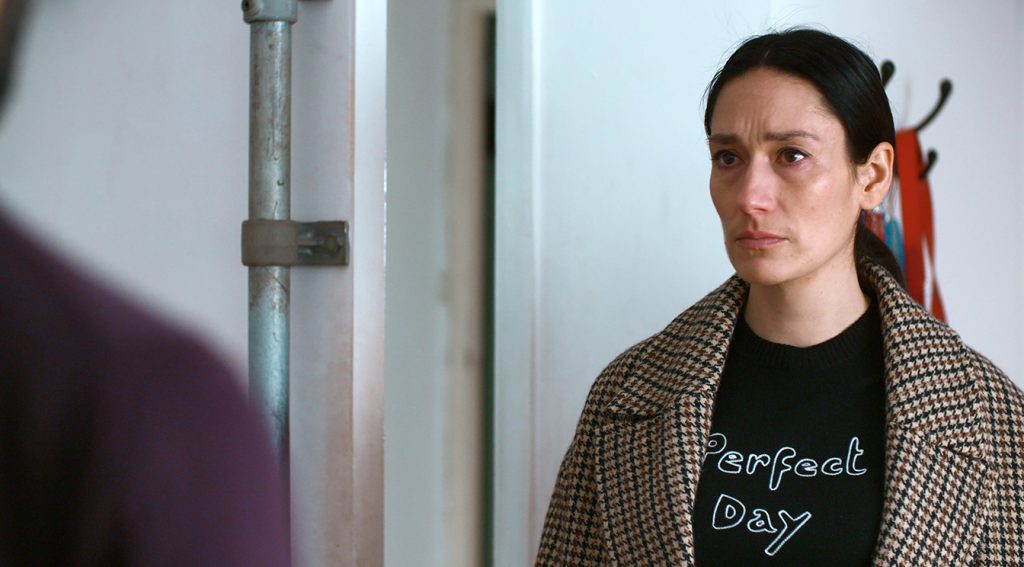
“We Were Having A Perfectly Nice Time” at the Omnibus Theatre

Shy of half an hour in length, Pedro Leandro’s play isn’t reticent when it comes to its themes of friendship and unrequited love. For such a short show, this two-hander is hugely satisfying.

The flatmates who discuss a possible romance between each other, made all the more awkward by their shared pessimism, are great characters with distinctive world views. Neither woman suffers fools, or each other, gladly. It’s hard not to like them very quickly and admiration for Leandro’s cleverly written banter instantaneous too.

Much praise goes to director Evan Lordan and performers Stephanie Booth and Hannah Livingstone whose deadpan deliveries bring out the humour in the piece. It must be tough to react so subtly, especially when the scenario is touching and heartfelt. That both women get so much meaning out of a monotonous delivery is fantastic.

This brand of miserabilism is smart. And, yes, appropriate for our times: that love is described as “like the flu” works well too. Cynicism isn’t always appealing but here it creates sincerity as both women realise that, beyond their negativity they want someone to “see us and say yes”. If you think the two would probably make a great couple, it only makes Leandro’s text all the more bittersweet.

Until 24 October 2020

www.omnibus-clapham.org

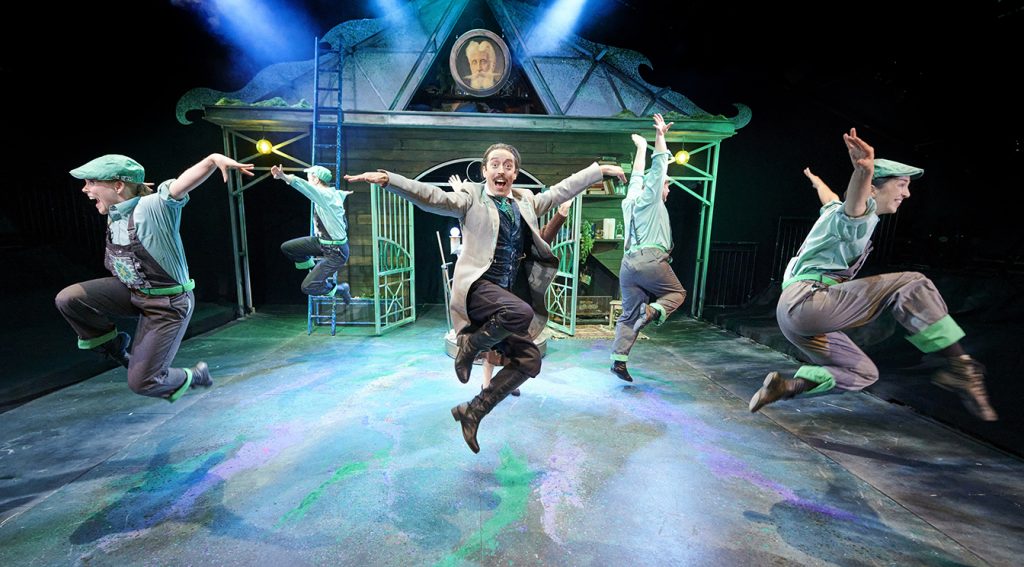
“The Last Five Years” at the Southwark Playhouse

After having its run cut short by the lockdown, this return to the stage – for this five-star show – is especially welcome. This is a superb production of a fantastic musical.

Director Jonathan O’Boyle and his talented performers Molly Lynch and Oli Higginson, as the couple, Cathy and Jamie whose romance we follow, all get the most from Jason Robert Brown’s superb writing.

The story’s structure is original: Cathy’s tale plays backwards (we start by seeing the marriage end) and alternates with Jamie, who begins by falling in love. Showing us such highs and lows, flipping back and forth from song to song, is explicated and elaborated magnificently by O’Boyle.

The interaction between Lynch and Higginson – which is mostly ignoring one another – as they sing about different times in their lives, creates a layered, often ghostly, effect. A moment when Jamie reaches for Cathy’s hand, which she is oblivious to, results in shivers. Even smarter, both performers take turns on a piano, starting or ending each other’s numbers to startling effect. A revolving stage, part of Lee Newby’s set, adds further sophistication.

Sam Spencer-Lane’s choreography places extra demands on both cast members which, along with sounding great, they live up to. Again, some of the imagery created is almost spectral, as if each can see the other in their imagination but fail to really communicate. 

Lynch brings a credible fragility to her sympathetic character that proves moving. We are on her side from the start. It was a worry whether she would manage lighter numbers but, thankfully, these have a satisfactory comedy to them. Lynch works wonders with a ukulele and that revolving stage.

Each time I see The Last Five Years I like Jamie a little less. The character seems more arrogant and selfish as I age! And Jamie objectifies Cathy something rotten. Countering this, Higginson’s performance is often charming and energetic, as well as always heartfelt. There’s an edge that makes me suspect Higginson doesn’t like Jamie much either… I hope so.

George Dyer’s musical direction is also impressive (the percussion sometimes a little heavy). And I wonder if the show was originally conceived for a proscenium stage, understandably altered for extra socially distanced capacity? I’d certainly recommend you don’t sit to the sides. So, the production isn’t perfect… but it’s pretty close, and one of the best shows in years.  

Until 14 November 2020

www.southwarkplayhouse.co.uk

Photo by Pamela Raith

“Seeds” from No Stone Theatre

While Covid-19 has closed venues, theatre practitioners continue to impress admirers with their efforts online and, increasingly, with audio plays. I have to confess I find podcasts and the like hard work: it’s too easy to be distracted while trying to listen and wonder how sound effects are achieved. But Seeds is an intriguing true story – scientists in 1940s Russia struggling with the world’s first seed bank. And offered in bite-size chunks over six weeks, even a short attention span like mine should cope.

The first episode raises plenty of questions. A newly awakened patient, escaping from hospital during a fire, is dramatic enough. Only knowing “ten minutes of my history for certain” means we learn (and ‘see’) everything fresh just like the intriguing injured character. How did she get to hospital? Is she allowed to leave? If the descriptive detail is occasionally laboured, the delivery from Nina Sosanya is expert.

As for those sound effects and score, both by Jon Ouin, it’s interesting to hear them mirror the patient’s increasing awareness. Ouin complements the action wonderfully. Nicholas Pitt confidently directs Nick Walker’s text. The latter has plenty of experience on radio and creates a vivid mental picture, while developing plot, in a thorough fashion that increases in tension and mystery. Walker makes sure we want to know what happens next…

Future episodes will develop the story of our patient and the work of Nikolai Vavilov, a plant geneticist who came to a sorry end. The project had environmental concerns that make it startling relevant, even beyond an original intention of preventing famine. The “mission” has the backdrop of Soviet politics and World War II to add extra drama and will star Katy Stephens, Jordon Kemp, Kirsty Rider and Graeme Rose.

www.nostonetheatre.com