Transferring from the Old Vic into the venue soon to bear the playwright Tom Stoppard’s name, this revival of his 1993 play deserves its rave reviews. Spanning centuries, as well philosophy and culture, Arcadia is full of big ideas. Director Carrie Cracknell and her superb cast seem a little in awe of the piece, and you can’t blame them – the fusion of sex, science and culture is grand. Without doubt, the production is a first-rate affair. But it can be noted that it never questions Stoppard’s genius.
It’s hard not to be daunted, though. Stoppard’s knowledge is profound as well as extensive. A history of the Enlightenment and Romanticism in the historical sections of the play is reflected on in modern-day moments. Stoppard’s facility with language and his erudite characters make every line intelligent. Naturally, he is writing about a bunch of clever clogs who say a lot of things that make you think. It’s tough to admit, but, this can be tiring and the play, however great, is long.
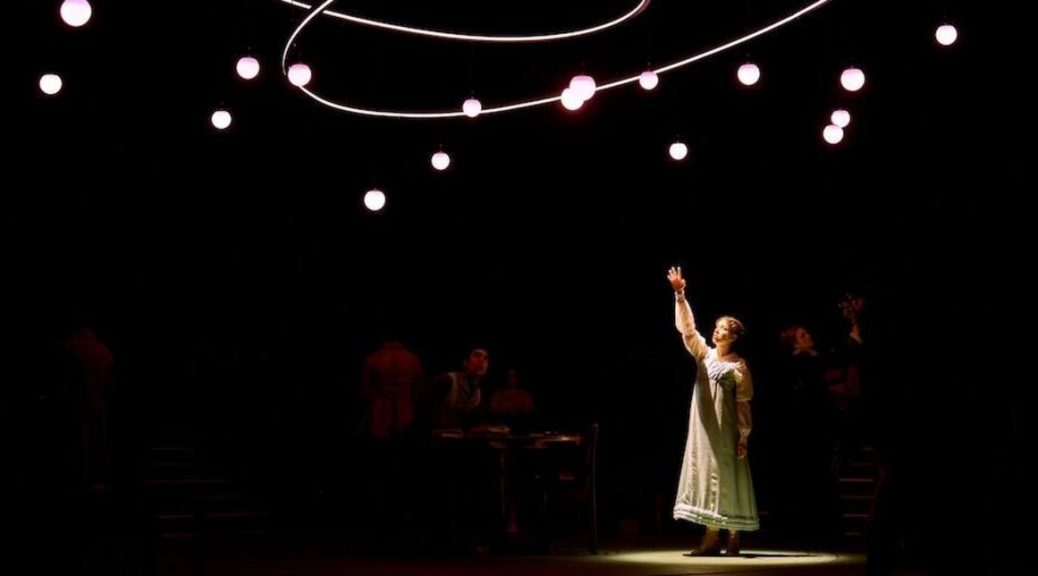
The focus is an 18th-century maths prodigy called Thomasina, performed impeccably by Isis Hainsworth who manages (no easy task) to convey the girl’s youth as well as her brains. Her tutor Septimus is another smarty pants, and Seamus Dillane conveys his many attractions convincingly. Septimus is almost dangerously charismatic – he is a schoolfriend of Lord Bryon, who he makes seem a little tame – although you might wonder if more questions could be raised about his conduct.
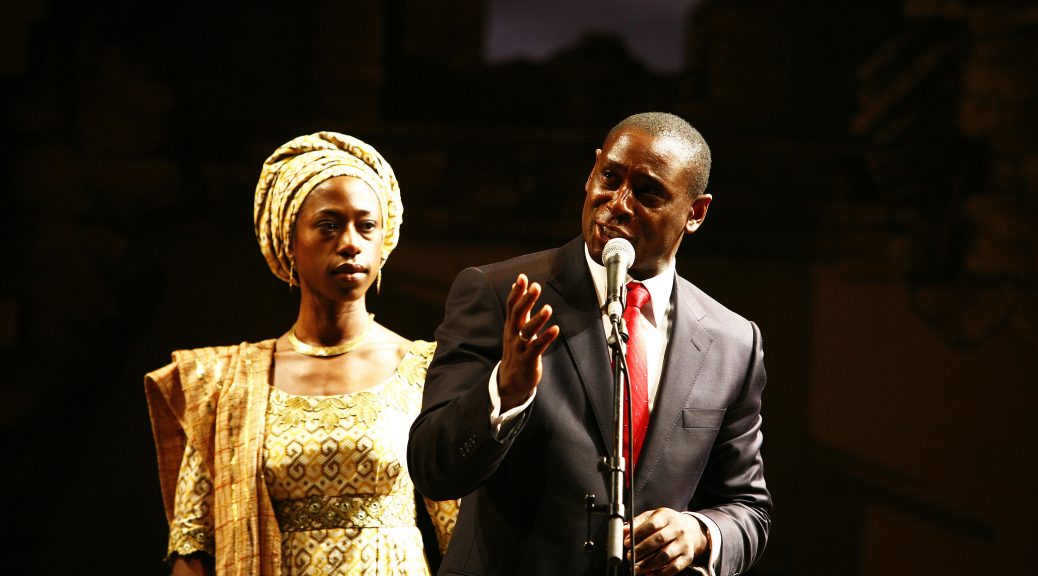
In the present day, the couple are researched (kind of) by modern academics. Nikki Amuka-Bird and Oliver Chris get a good deal of fun from the rivalry between the two writers, while Stoppard’s structure, his provision of hindsight, is hugely rewarding. But while Chris can land laughs as the arrogant historian, the performance comes close to being a little too broad. Would his inflated ego really fool or impress anyone, especially in such rarefied circles?
All of the characters are interesting. Yolanda Kettle has a fine role as Thomasina’s mother, full of the kind of acerbic snobbery that’s great on stage, while Angus Cooper plays another maths whiz struggling with something complicated. Stoppard manages to explain a lot of ideas brilliantly and Cooper’s understated performance is a highlight. Everyone has plenty to say and there is humour and romance, the latter aided by Alex Eales’ stylish set.
Best of all, Cracknell and the staging convey a sense of wonder. There’s less melancholy than I remember from Matthew Warcus’ production in the same venue a decade ago. The focus is more on intellectual excitement, with discussions about physics and philosophy that are fascinating, if occasionally hard work. It’s hard to follow what Thomasina’s breakthrough actually is, the trials of the modern academics too. And if you wonder at least some of the time what it is they are all talking about, don’t worry – you’re not alone.
Until 12 September 2026
Photo by Manuel Harlan