Tag Archives: Sylvestra Le Touzel

“The Authenticator” at the Royal National Theatre

Attempting a lighter look at academic debates and culture wars
makes Winsome Pinnock’s new play novel and entertaining. The
discovery of a slave owner’s archive and subsequent discussion
of reparations benefit from humour, and that is an achievement.
It is probably inevitable that the issues aren’t given their
due—it’s a big subject—but the result is a drama that feels
sketchy and unsatisfying.


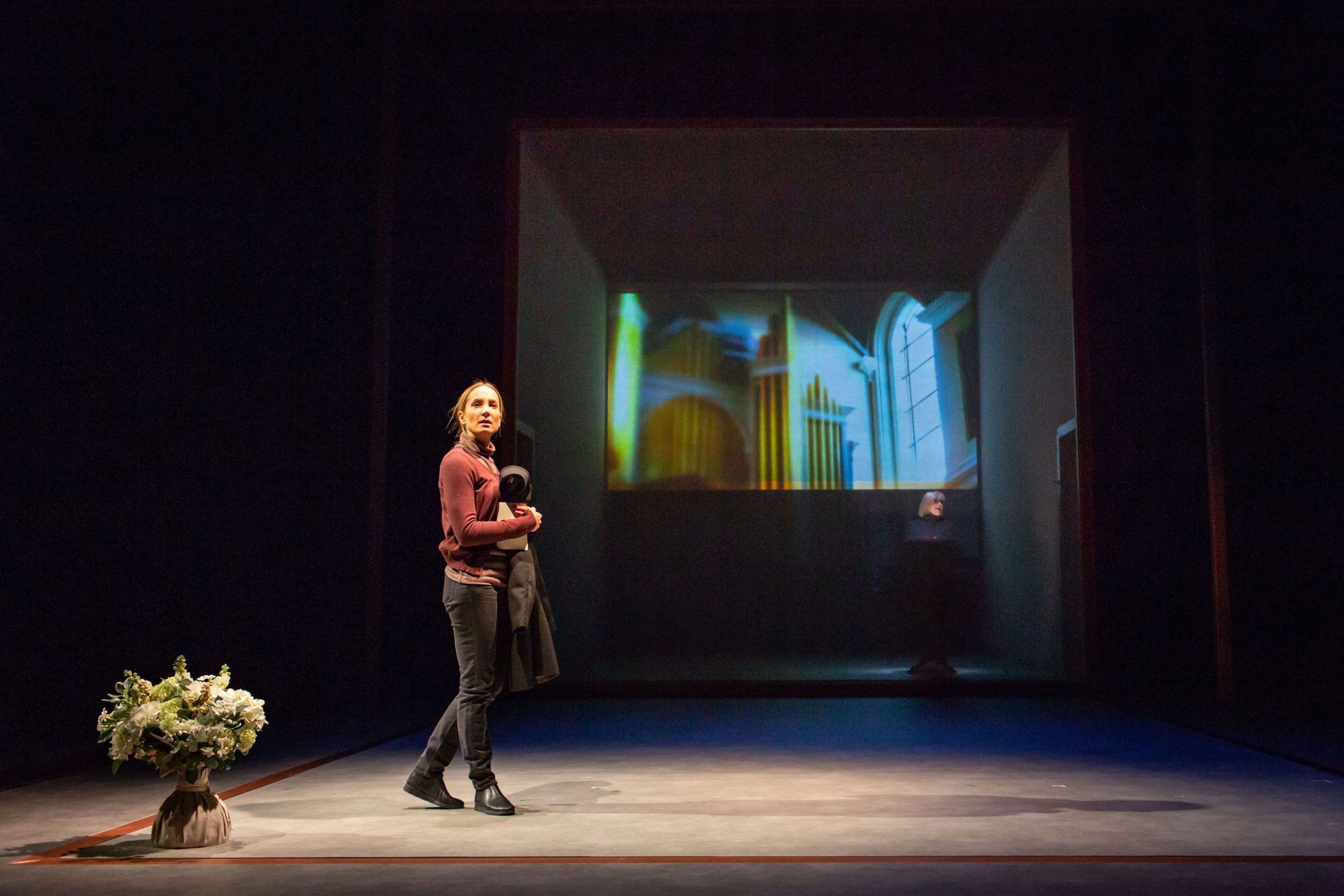
Thankfully, there is much to enjoy, not least Miranda Cronwell’s
spirited direction. It’s a shame Jon Bausor’s expensive-looking
design slows things down. Pinnock highlights the complexity of
the situation as her characters—a wealthy landowner and two
academics from very different backgrounds—shift allegiances and
even identities to comic effect. These are memorable creations
that the cast—Rakie Ayola, Sylvestra Le Touzel, and Cherrelle
Skeete—do well with. The performances are broad but work well,
pushing similarities between the women and highlighting what
separates them in a bold, confrontational manner.


While the exaggerated characters are fun, they don’t help the
play’s struggles with credibility. Not least the authentication
of the journals, which might have been physically safer in otother
hands—librarians, look away! The irony is easy to dismiss—
Pinnock wants to address bigger questions. But more time is
needed to do that. It’s fine to leave matters open-ended and
sometimes funny, but the characters fail to defend or explain
their positions enough. They just declaim, and that becomes
tiresome.

Until 9 May 2026


www.nationaltheatre.org

Photo by Marc Brenner

“Alys, Always” at the Bridge Theatre

Harriet Lane’s novel about an unassuming sub-editor called Frances, whose life becomes entangled with a famous author after a car accident, is a quality page turner. Bringing the story to the stage, Lucinda Coxon retains its strong plot and much of the book’s flavour: an air of Daphne du Maurier with a Ripleyesque lead make for a sturdy combination. There’s a stumble over the humour in the piece – Lane has a wry eye that Coxon has blurred – but the show is never less than entertaining.

With a strong cast, including Robert Glenister as the writer Laurence and Joanna David as his agent, there’s insight into London’s literati. But too many stabs at the middle classes become a problem in the role of Polly, Alys’ daughter. This spoilt rich girl is too broadly painted and easy to laugh at – a shame as Leah Gayer, who makes her professional debut in the part, clearly has the ability to make the character more sympathetic. Instead there’s less tension surrounding Frances manipulating the younger woman than there should be.

Even worse, too many jokes set in Frances’ workplace show the parallel plot of her blossoming career being mishandled by Coxon. In place of presenting another side to our heroine’s burgeoning ambition, we get a checklist of woes about the modern media that are both too familiar and unconvincing. Again, the gags have the detrimental effect of making many roles too slight. Frances’ editor and rival colleague Oliver see Sylvestra Le Touzel and Simon Manyonda struggling to fill out their parts.

Thankfully Alys, Always is more drama than comedy. And director Nicholas Hytner has always been good with suspense. He knows how to pace a text and place a body so that a glance between characters crackles with tension. There’s little overt confrontation, but its potential bubbles under in many scenes (Sam Woolf as Alys’ son is especially good). And there’s an impressive eye on the intricacies of class, revealing aspirations that become the catalysts for Alice’s actions. Bob Crowley’s set may be minimal but, along with Christina Cunningham’s costumes and Luke Halls’ video design, the details are precisely focused.

Frances, the unfairly ignored central figure, is key to the novel, which she narrates, and she fits comfortably on the stage thanks to a fine performance from Joanne Froggatt. Ever the underdog, sympathy is won quickly but, as this good Samaritan becomes a sinister gold digger, Froggatt still keeps us on side. From lies that might have a noble motivation, through to tasteless if harmless kleptomania for “talismans”, a combination of worry and repulsion surrounds her. The plots and emotional manipulation intrigue and excite. Even when Frances becomes ruthless, there’s the thrill that her plans might work and a quiet cheer for this special heroine.

Until 30 March 2019

www.bridgetheatre.co.uk

Photo by Helen Maybanks